
Get trending papers in your email inbox once a day!
Get trending papers in your email inbox!
Subscribe
Qianfan-VL: Domain-Enhanced Universal Vision-Language Models
We present Qianfan-VL, a series of multimodal large language models ranging from 3B to 70B parameters, achieving state-of-the-art performance through innovative domain enhancement techniques. Our approach employs multi-stage progressive training and high-precision data synthesis pipelines, which prove to be critical technologies for enhancing domain-specific capabilities while maintaining strong general performance. Qianfan-VL achieves comparable results to leading open-source models on general benchmarks, with state-of-the-art performance on benchmarks such as CCBench, SEEDBench IMG, ScienceQA, and MMStar. The domain enhancement strategy delivers significant advantages in OCR and document understanding, validated on both public benchmarks (OCRBench 873, DocVQA 94.75%) and in-house evaluations. Notably, Qianfan-VL-8B and 70B variants incorporate long chain-of-thought capabilities, demonstrating superior performance on mathematical reasoning (MathVista 78.6%) and logical inference tasks. All models are trained entirely on Baidu's Kunlun P800 chips, validating the capability of large-scale AI infrastructure to train SOTA-level multimodal models with over 90% scaling efficiency on 5000 chips for a single task. This work establishes an effective methodology for developing domain-enhanced multimodal models suitable for diverse enterprise deployment scenarios.



Math Agents: Computational Infrastructure, Mathematical Embedding, and Genomics
The advancement in generative AI could be boosted with more accessible mathematics. Beyond human-AI chat, large language models (LLMs) are emerging in programming, algorithm discovery, and theorem proving, yet their genomics application is limited. This project introduces Math Agents and mathematical embedding as fresh entries to the "Moore's Law of Mathematics", using a GPT-based workflow to convert equations from literature into LaTeX and Python formats. While many digital equation representations exist, there's a lack of automated large-scale evaluation tools. LLMs are pivotal as linguistic user interfaces, providing natural language access for human-AI chat and formal languages for large-scale AI-assisted computational infrastructure. Given the infinite formal possibility spaces, Math Agents, which interact with math, could potentially shift us from "big data" to "big math". Math, unlike the more flexible natural language, has properties subject to proof, enabling its use beyond traditional applications like high-validation math-certified icons for AI alignment aims. This project aims to use Math Agents and mathematical embeddings to address the ageing issue in information systems biology by applying multiscalar physics mathematics to disease models and genomic data. Generative AI with episodic memory could help analyse causal relations in longitudinal health records, using SIR Precision Health models. Genomic data is suggested for addressing the unsolved Alzheimer's disease problem.



CodeNet: A Large-Scale AI for Code Dataset for Learning a Diversity of Coding Tasks
Over the last several decades, software has been woven into the fabric of every aspect of our society. As software development surges and code infrastructure of enterprise applications ages, it is now more critical than ever to increase software development productivity and modernize legacy applications. Advances in deep learning and machine learning algorithms have enabled numerous breakthroughs, motivating researchers to leverage AI techniques to improve software development efficiency. Thus, the fast-emerging research area of AI for Code has garnered new interest and gathered momentum. In this paper, we present a large-scale dataset CodeNet, consisting of over 14 million code samples and about 500 million lines of code in 55 different programming languages, which is aimed at teaching AI to code. In addition to its large scale, CodeNet has a rich set of high-quality annotations to benchmark and help accelerate research in AI techniques for a variety of critical coding tasks, including code similarity and classification, code translation between a large variety of programming languages, and code performance (runtime and memory) improvement techniques. Additionally, CodeNet provides sample input and output test sets for 98.5% of the code samples, which can be used as an oracle for determining code correctness and potentially guide reinforcement learning for code quality improvements. As a usability feature, we provide several pre-processing tools in CodeNet to transform source code into representations that can be readily used as inputs into machine learning models. Results of code classification and code similarity experiments using the CodeNet dataset are provided as a reference. We hope that the scale, diversity and rich, high-quality annotations of CodeNet will offer unprecedented research opportunities at the intersection of AI and Software Engineering.
SIGMA: An AI-Empowered Training Stack on Early-Life Hardware
An increasing variety of AI accelerators is being considered for large-scale training. However, enabling large-scale training on early-life AI accelerators faces three core challenges: frequent system disruptions and undefined failure modes that undermine reliability; numerical errors and training instabilities that threaten correctness and convergence; and the complexity of parallelism optimization combined with unpredictable local noise that degrades efficiency. To address these challenges, SIGMA is an open-source training stack designed to improve the reliability, stability, and efficiency of large-scale distributed training on early-life AI hardware. The core of this initiative is the LUCIA TRAINING PLATFORM (LTP), the system optimized for clusters with early-life AI accelerators. Since its launch in March 2025, LTP has significantly enhanced training reliability and operational productivity. Over the past five months, it has achieved an impressive 94.45% effective cluster accelerator utilization, while also substantially reducing node recycling and job-recovery times. Building on the foundation of LTP, the LUCIA TRAINING FRAMEWORK (LTF) successfully trained SIGMA-MOE, a 200B MoE model, using 2,048 AI accelerators. This effort delivered remarkable stability and efficiency outcomes, achieving 21.08% MFU, state-of-the-art downstream accuracy, and encountering only one stability incident over a 75-day period. Together, these advances establish SIGMA, which not only tackles the critical challenges of large-scale training but also establishes a new benchmark for AI infrastructure and platform innovation, offering a robust, cost-effective alternative to prevailing established accelerator stacks and significantly advancing AI capabilities and scalability. The source code of SIGMA is available at https://github.com/microsoft/LuciaTrainingPlatform.

MegaFlow: Large-Scale Distributed Orchestration System for the Agentic Era
The rapid development of interactive and autonomous AI systems signals our entry into the agentic era. Training and evaluating agents on complex agentic tasks such as software engineering and computer use requires not only efficient model computation but also sophisticated infrastructure capable of coordinating vast agent-environment interactions. However, no open-source infrastructure can effectively support large-scale training and evaluation on such complex agentic tasks. To address this challenge, we present MegaFlow, a large-scale distributed orchestration system that enables efficient scheduling, resource allocation, and fine-grained task management for agent-environment workloads. MegaFlow abstracts agent training infrastructure into three independent services (Model Service, Agent Service, and Environment Service) that interact through unified interfaces, enabling independent scaling and flexible resource allocation across diverse agent-environment configurations. In our agent training deployments, MegaFlow successfully orchestrates tens of thousands of concurrent agent tasks while maintaining high system stability and achieving efficient resource utilization. By enabling such large-scale agent training, MegaFlow addresses a critical infrastructure gap in the emerging agentic AI landscape.

The infrastructure powering IBM's Gen AI model development
AI Infrastructure plays a key role in the speed and cost-competitiveness of developing and deploying advanced AI models. The current demand for powerful AI infrastructure for model training is driven by the emergence of generative AI and foundational models, where on occasion thousands of GPUs must cooperate on a single training job for the model to be trained in a reasonable time. Delivering efficient and high-performing AI training requires an end-to-end solution that combines hardware, software and holistic telemetry to cater for multiple types of AI workloads. In this report, we describe IBM's hybrid cloud infrastructure that powers our generative AI model development. This infrastructure includes (1) Vela: an AI-optimized supercomputing capability directly integrated into the IBM Cloud, delivering scalable, dynamic, multi-tenant and geographically distributed infrastructure for large-scale model training and other AI workflow steps and (2) Blue Vela: a large-scale, purpose-built, on-premises hosting environment that is optimized to support our largest and most ambitious AI model training tasks. Vela provides IBM with the dual benefit of high performance for internal use along with the flexibility to adapt to an evolving commercial landscape. Blue Vela provides us with the benefits of rapid development of our largest and most ambitious models, as well as future-proofing against the evolving model landscape in the industry. Taken together, they provide IBM with the ability to rapidly innovate in the development of both AI models and commercial offerings.



Data Authenticity, Consent, & Provenance for AI are all broken: what will it take to fix them?
New capabilities in foundation models are owed in large part to massive, widely-sourced, and under-documented training data collections. Existing practices in data collection have led to challenges in documenting data transparency, tracing authenticity, verifying consent, privacy, representation, bias, copyright infringement, and the overall development of ethical and trustworthy foundation models. In response, regulation is emphasizing the need for training data transparency to understand foundation models' limitations. Based on a large-scale analysis of the foundation model training data landscape and existing solutions, we identify the missing infrastructure to facilitate responsible foundation model development practices. We examine the current shortcomings of common tools for tracing data authenticity, consent, and documentation, and outline how policymakers, developers, and data creators can facilitate responsible foundation model development by adopting universal data provenance standards.


Serving Large Language Models on Huawei CloudMatrix384
The rapid evolution of large language models (LLMs), driven by growing parameter scales, adoption of mixture-of-experts (MoE) architectures, and expanding context lengths, imposes unprecedented demands on AI infrastructure. Traditional AI clusters face limitations in compute intensity, memory bandwidth, inter-chip communication, and latency, compounded by variable workloads and strict service-level objectives. Addressing these issues requires fundamentally redesigned hardware-software integration. This paper introduces Huawei CloudMatrix, a next-generation AI datacenter architecture, realized in the production-grade CloudMatrix384 supernode. It integrates 384 Ascend 910C NPUs and 192 Kunpeng CPUs interconnected via an ultra-high-bandwidth Unified Bus (UB) network, enabling direct all-to-all communication and dynamic pooling of resources. These features optimize performance for communication-intensive operations, such as large-scale MoE expert parallelism and distributed key-value cache access. To fully leverage CloudMatrix384, we propose CloudMatrix-Infer, an advanced LLM serving solution incorporating three core innovations: a peer-to-peer serving architecture that independently scales prefill, decode, and caching; a large-scale expert parallelism strategy supporting EP320 via efficient UB-based token dispatch; and hardware-aware optimizations including specialized operators, microbatch-based pipelining, and INT8 quantization. Evaluation with the DeepSeek-R1 model shows CloudMatrix-Infer achieves state-of-the-art efficiency: prefill throughput of 6,688 tokens/s per NPU and decode throughput of 1,943 tokens/s per NPU (<50 ms TPOT). It effectively balances throughput and latency, sustaining 538 tokens/s even under stringent 15 ms latency constraints, while INT8 quantization maintains model accuracy across benchmarks.
Efficient and Scalable Agentic AI with Heterogeneous Systems
AI agents are emerging as a dominant workload in a wide range of applications, promising to be the vehicle that delivers the promised benefits of AI to enterprises and consumers. Unlike conventional software or static inference, agentic workloads are dynamic and structurally complex. Often these agents are directed graphs of compute and IO operations that span multi-modal data input and conversion), data processing and context gathering (e.g vector DB lookups), multiple LLM inferences, tool calls, etc. To scale AI agent usage, we need efficient and scalable deployment and agent-serving infrastructure. To tackle this challenge, in this paper, we present a system design for dynamic orchestration of AI agent workloads on heterogeneous compute infrastructure spanning CPUs and accelerators, both from different vendors and across different performance tiers within a single vendor. The system delivers several building blocks: a framework for planning and optimizing agentic AI execution graphs using cost models that account for compute, memory, and bandwidth constraints of different HW; a MLIR based representation and compilation system that can decompose AI agent execution graphs into granular operators and generate code for different HW options; and a dynamic orchestration system that can place the granular components across a heterogeneous compute infrastructure and stitch them together while meeting an end-to-end SLA. Our design performs a systems level TCO optimization and preliminary results show that leveraging a heterogeneous infrastructure can deliver significant TCO benefits. A preliminary surprising finding is that for some workloads a heterogeneous combination of older generation GPUs with newer accelerators can deliver similar TCO as the latest generation homogenous GPU infrastructure design, potentially extending the life of deployed infrastructure.
FengHuang: Next-Generation Memory Orchestration for AI Inferencing
This document presents a vision for a novel AI infrastructure design that has been initially validated through inference simulations on state-of-the-art large language models. Advancements in deep learning and specialized hardware have driven the rapid growth of large language models (LLMs) and generative AI systems. However, traditional GPU-centric architectures face scalability challenges for inference workloads due to limitations in memory capacity, bandwidth, and interconnect scaling. To address these issues, the FengHuang Platform, a disaggregated AI infrastructure platform, is proposed to overcome memory and communication scaling limits for AI inference. FengHuang features a multi-tier shared-memory architecture combining high-speed local memory with centralized disaggregated remote memory, enhanced by active tensor paging and near-memory compute for tensor operations. Simulations demonstrate that FengHuang achieves up to 93% local memory capacity reduction, 50% GPU compute savings, and 16x to 70x faster inter-GPU communication compared to conventional GPU scaling. Across workloads such as GPT-3, Grok-1, and QWEN3-235B, FengHuang enables up to 50% GPU reductions while maintaining end-user performance, offering a scalable, flexible, and cost-effective solution for AI inference infrastructure. FengHuang provides an optimal balance as a rack-level AI infrastructure scale-up solution. Its open, heterogeneous design eliminates vendor lock-in and enhances supply chain flexibility, enabling significant infrastructure and power cost reductions.
Securing AI Agents: Implementing Role-Based Access Control for Industrial Applications
The emergence of Large Language Models (LLMs) has significantly advanced solutions across various domains, from political science to software development. However, these models are constrained by their training data, which is static and limited to information available up to a specific date. Additionally, their generalized nature often necessitates fine-tuning -- whether for classification or instructional purposes -- to effectively perform specific downstream tasks. AI agents, leveraging LLMs as their core, mitigate some of these limitations by accessing external tools and real-time data, enabling applications such as live weather reporting and data analysis. In industrial settings, AI agents are transforming operations by enhancing decision-making, predictive maintenance, and process optimization. For example, in manufacturing, AI agents enable near-autonomous systems that boost productivity and support real-time decision-making. Despite these advancements, AI agents remain vulnerable to security threats, including prompt injection attacks, which pose significant risks to their integrity and reliability. To address these challenges, this paper proposes a framework for integrating Role-Based Access Control (RBAC) into AI agents, providing a robust security guardrail. This framework aims to support the effective and scalable deployment of AI agents, with a focus on on-premises implementations.
A Comprehensive Survey of Large AI Models for Future Communications: Foundations, Applications and Challenges
The 6G wireless communications aim to establish an intelligent world of ubiquitous connectivity, providing an unprecedented communication experience. Large artificial intelligence models (LAMs) are characterized by significantly larger scales (e.g., billions or trillions of parameters) compared to typical artificial intelligence (AI) models. LAMs exhibit outstanding cognitive abilities, including strong generalization capabilities for fine-tuning to downstream tasks, and emergent capabilities to handle tasks unseen during training. Therefore, LAMs efficiently provide AI services for diverse communication applications, making them crucial tools for addressing complex challenges in future wireless communication systems. This study provides a comprehensive review of the foundations, applications, and challenges of LAMs in communication. First, we introduce the current state of AI-based communication systems, emphasizing the motivation behind integrating LAMs into communications and summarizing the key contributions. We then present an overview of the essential concepts of LAMs in communication. This includes an introduction to the main architectures of LAMs, such as transformer, diffusion models, and mamba. We also explore the classification of LAMs, including large language models (LLMs), large vision models (LVMs), large multimodal models (LMMs), and world models, and examine their potential applications in communication. Additionally, we cover the training methods and evaluation techniques for LAMs in communication systems. Lastly, we introduce optimization strategies such as chain of thought (CoT), retrieval augmented generation (RAG), and agentic systems. Following this, we discuss the research advancements of LAMs across various communication scenarios. Finally, we analyze the challenges in the current research and provide insights into potential future research directions.
Glia: A Human-Inspired AI for Automated Systems Design and Optimization
Can an AI autonomously design mechanisms for computer systems on par with the creativity and reasoning of human experts? We present Glia, an AI architecture for networked systems design that uses large language models (LLMs) in a human-inspired, multi-agent workflow. Each agent specializes in reasoning, experimentation, and analysis, collaborating through an evaluation framework that grounds abstract reasoning in empirical feedback. Unlike prior ML-for-systems methods that optimize black-box policies, Glia generates interpretable designs and exposes its reasoning process. When applied to a distributed GPU cluster for LLM inference, it produces new algorithms for request routing, scheduling, and auto-scaling that perform at human-expert levels in significantly less time, while yielding novel insights into workload behavior. Our results suggest that by combining reasoning LLMs with structured experimentation, an AI can produce creative and understandable designs for complex systems problems.
MemOS: An Operating System for Memory-Augmented Generation (MAG) in Large Language Models
Large Language Models (LLMs) have emerged as foundational infrastructure in the pursuit of Artificial General Intelligence (AGI). Despite their remarkable capabilities in language perception and generation, current LLMs fundamentally lack a unified and structured architecture for handling memory. They primarily rely on parametric memory (knowledge encoded in model weights) and ephemeral activation memory (context-limited runtime states). While emerging methods like Retrieval-Augmented Generation (RAG) incorporate plaintext memory, they lack lifecycle management and multi-modal integration, limiting their capacity for long-term knowledge evolution. To address this, we introduce MemOS, a memory operating system designed for LLMs that, for the first time, elevates memory to a first-class operational resource. It builds unified mechanisms for representation, organization, and governance across three core memory types: parametric, activation, and plaintext. At its core is the MemCube, a standardized memory abstraction that enables tracking, fusion, and migration of heterogeneous memory, while offering structured, traceable access across tasks and contexts. MemOS establishes a memory-centric execution framework with strong controllability, adaptability, and evolvability. It fills a critical gap in current LLM infrastructure and lays the groundwork for continual adaptation, personalized intelligence, and cross-platform coordination in next-generation intelligent systems.



A Comprehensive Survey of Mixture-of-Experts: Algorithms, Theory, and Applications
Artificial intelligence (AI) has achieved astonishing successes in many domains, especially with the recent breakthroughs in the development of foundational large models. These large models, leveraging their extensive training data, provide versatile solutions for a wide range of downstream tasks. However, as modern datasets become increasingly diverse and complex, the development of large AI models faces two major challenges: (1) the enormous consumption of computational resources and deployment difficulties, and (2) the difficulty in fitting heterogeneous and complex data, which limits the usability of the models. Mixture of Experts (MoE) models has recently attracted much attention in addressing these challenges, by dynamically selecting and activating the most relevant sub-models to process input data. It has been shown that MoEs can significantly improve model performance and efficiency with fewer resources, particularly excelling in handling large-scale, multimodal data. Given the tremendous potential MoE has demonstrated across various domains, it is urgent to provide a comprehensive summary of recent advancements of MoEs in many important fields. Existing surveys on MoE have their limitations, e.g., being outdated or lacking discussion on certain key areas, and we aim to address these gaps. In this paper, we first introduce the basic design of MoE, including gating functions, expert networks, routing mechanisms, training strategies, and system design. We then explore the algorithm design of MoE in important machine learning paradigms such as continual learning, meta-learning, multi-task learning, and reinforcement learning. Additionally, we summarize theoretical studies aimed at understanding MoE and review its applications in computer vision and natural language processing. Finally, we discuss promising future research directions.
Building AI Agents for Autonomous Clouds: Challenges and Design Principles
The rapid growth in the use of Large Language Models (LLMs) and AI Agents as part of software development and deployment is revolutionizing the information technology landscape. While code generation receives significant attention, a higher-impact application lies in using AI agents for operational resilience of cloud services, which currently require significant human effort and domain knowledge. There is a growing interest in AI for IT Operations (AIOps) which aims to automate complex operational tasks, like fault localization and root cause analysis, thereby reducing human intervention and customer impact. However, achieving the vision of autonomous and self-healing clouds though AIOps is hampered by the lack of standardized frameworks for building, evaluating, and improving AIOps agents. This vision paper lays the groundwork for such a framework by first framing the requirements and then discussing design decisions that satisfy them. We also propose AIOpsLab, a prototype implementation leveraging agent-cloud-interface that orchestrates an application, injects real-time faults using chaos engineering, and interfaces with an agent to localize and resolve the faults. We report promising results and lay the groundwork to build a modular and robust framework for building, evaluating, and improving agents for autonomous clouds.

Training Report of TeleChat3-MoE
TeleChat3-MoE is the latest series of TeleChat large language models, featuring a Mixture-of-Experts (MoE) architecture with parameter counts ranging from 105 billion to over one trillion,trained end-to-end on Ascend NPU cluster. This technical report mainly presents the underlying training infrastructure that enables reliable and efficient scaling to frontier model sizes. We detail systematic methodologies for operator-level and end-to-end numerical accuracy verification, ensuring consistency across hardware platforms and distributed parallelism strategies. Furthermore, we introduce a suite of performance optimizations, including interleaved pipeline scheduling, attention-aware data scheduling for long-sequence training,hierarchical and overlapped communication for expert parallelism, and DVM-based operator fusion. A systematic parallelization framework, leveraging analytical estimation and integer linear programming, is also proposed to optimize multi-dimensional parallelism configurations. Additionally, we present methodological approaches to cluster-level optimizations, addressing host- and device-bound bottlenecks during large-scale training tasks. These infrastructure advancements yield significant throughput improvements and near-linear scaling on clusters comprising thousands of devices, providing a robust foundation for large-scale language model development on hardware ecosystems.
SambaNova SN40L: Scaling the AI Memory Wall with Dataflow and Composition of Experts
Monolithic large language models (LLMs) like GPT-4 have paved the way for modern generative AI applications. Training, serving, and maintaining monolithic LLMs at scale, however, remains prohibitively expensive and challenging. The disproportionate increase in compute-to-memory ratio of modern AI accelerators have created a memory wall, necessitating new methods to deploy AI. Composition of Experts (CoE) is an alternative modular approach that lowers the cost and complexity of training and serving. However, this approach presents two key challenges when using conventional hardware: (1) without fused operations, smaller models have lower operational intensity, which makes high utilization more challenging to achieve; and (2) hosting a large number of models can be either prohibitively expensive or slow when dynamically switching between them. In this paper, we describe how combining CoE, streaming dataflow, and a three-tier memory system scales the AI memory wall. We describe Samba-CoE, a CoE system with 150 experts and a trillion total parameters. We deploy Samba-CoE on the SambaNova SN40L Reconfigurable Dataflow Unit (RDU) - a commercial dataflow accelerator architecture that has been co-designed for enterprise inference and training applications. The chip introduces a new three-tier memory system with on-chip distributed SRAM, on-package HBM, and off-package DDR DRAM. A dedicated inter-RDU network enables scaling up and out over multiple sockets. We demonstrate speedups ranging from 2x to 13x on various benchmarks running on eight RDU sockets compared with an unfused baseline. We show that for CoE inference deployments, the 8-socket RDU Node reduces machine footprint by up to 19x, speeds up model switching time by 15x to 31x, and achieves an overall speedup of 3.7x over a DGX H100 and 6.6x over a DGX A100.


Colossal-AI: A Unified Deep Learning System For Large-Scale Parallel Training
The success of Transformer models has pushed the deep learning model scale to billions of parameters. Due to the limited memory resource of a single GPU, However, the best practice for choosing the optimal parallel strategy is still lacking, since it requires domain expertise in both deep learning and parallel computing. The Colossal-AI system addressed the above challenge by introducing a unified interface to scale your sequential code of model training to distributed environments. It supports parallel training methods such as data, pipeline, tensor, and sequence parallelism, as well as heterogeneous training methods integrated with zero redundancy optimizer. Compared to the baseline system, Colossal-AI can achieve up to 2.76 times training speedup on large-scale models.

SAKSHI: Decentralized AI Platforms
Large AI models (e.g., Dall-E, GPT4) have electrified the scientific, technological and societal landscape through their superhuman capabilities. These services are offered largely in a traditional web2.0 format (e.g., OpenAI's GPT4 service). As more large AI models proliferate (personalizing and specializing to a variety of domains), there is a tremendous need to have a neutral trust-free platform that allows the hosting of AI models, clients receiving AI services efficiently, yet in a trust-free, incentive compatible, Byzantine behavior resistant manner. In this paper we propose SAKSHI, a trust-free decentralized platform specifically suited for AI services. The key design principles of SAKSHI are the separation of the data path (where AI query and service is managed) and the control path (where routers and compute and storage hosts are managed) from the transaction path (where the metering and billing of services are managed over a blockchain). This separation is enabled by a "proof of inference" layer which provides cryptographic resistance against a variety of misbehaviors, including poor AI service, nonpayment for service, copying of AI models. This is joint work between multiple universities (Princeton University, University of Illinois at Urbana-Champaign, Tsinghua University, HKUST) and two startup companies (Witness Chain and Eigen Layer).

OmniScientist: Toward a Co-evolving Ecosystem of Human and AI Scientists
With the rapid development of Large Language Models (LLMs), AI agents have demonstrated increasing proficiency in scientific tasks, ranging from hypothesis generation and experimental design to manuscript writing. Such agent systems are commonly referred to as "AI Scientists." However, existing AI Scientists predominantly formulate scientific discovery as a standalone search or optimization problem, overlooking the fact that scientific research is inherently a social and collaborative endeavor. Real-world science relies on a complex scientific infrastructure composed of collaborative mechanisms, contribution attribution, peer review, and structured scientific knowledge networks. Due to the lack of modeling for these critical dimensions, current systems struggle to establish a genuine research ecosystem or interact deeply with the human scientific community. To bridge this gap, we introduce OmniScientist, a framework that explicitly encodes the underlying mechanisms of human research into the AI scientific workflow. OmniScientist not only achieves end-to-end automation across data foundation, literature review, research ideation, experiment automation, scientific writing, and peer review, but also provides comprehensive infrastructural support by simulating the human scientific system, comprising: (1) a structured knowledge system built upon citation networks and conceptual correlations; (2) a collaborative research protocol (OSP), which enables seamless multi-agent collaboration and human researcher participation; and (3) an open evaluation platform (ScienceArena) based on blind pairwise user voting and Elo rankings. This infrastructure empowers agents to not only comprehend and leverage human knowledge systems but also to collaborate and co-evolve, fostering a sustainable and scalable innovation ecosystem.
Agentic Web: Weaving the Next Web with AI Agents
The emergence of AI agents powered by large language models (LLMs) marks a pivotal shift toward the Agentic Web, a new phase of the internet defined by autonomous, goal-driven interactions. In this paradigm, agents interact directly with one another to plan, coordinate, and execute complex tasks on behalf of users. This transition from human-driven to machine-to-machine interaction allows intent to be delegated, relieving users from routine digital operations and enabling a more interactive, automated web experience. In this paper, we present a structured framework for understanding and building the Agentic Web. We trace its evolution from the PC and Mobile Web eras and identify the core technological foundations that support this shift. Central to our framework is a conceptual model consisting of three key dimensions: intelligence, interaction, and economics. These dimensions collectively enable the capabilities of AI agents, such as retrieval, recommendation, planning, and collaboration. We analyze the architectural and infrastructural challenges involved in creating scalable agentic systems, including communication protocols, orchestration strategies, and emerging paradigms such as the Agent Attention Economy. We conclude by discussing the potential applications, societal risks, and governance issues posed by agentic systems, and outline research directions for developing open, secure, and intelligent ecosystems shaped by both human intent and autonomous agent behavior. A continuously updated collection of relevant studies for agentic web is available at: https://github.com/SafeRL-Lab/agentic-web.
Agentic AI Frameworks: Architectures, Protocols, and Design Challenges
The emergence of Large Language Models (LLMs) has ushered in a transformative paradigm in artificial intelligence, Agentic AI, where intelligent agents exhibit goal-directed autonomy, contextual reasoning, and dynamic multi-agent coordination. This paper provides a systematic review and comparative analysis of leading Agentic AI frameworks, including CrewAI, LangGraph, AutoGen, Semantic Kernel, Agno, Google ADK, and MetaGPT, evaluating their architectural principles, communication mechanisms, memory management, safety guardrails, and alignment with service-oriented computing paradigms. Furthermore, we identify key limitations, emerging trends, and open challenges in the field. To address the issue of agent communication, we conduct an in-depth analysis of protocols such as the Contract Net Protocol (CNP), Agent-to-Agent (A2A), Agent Network Protocol (ANP), and Agora. Our findings not only establish a foundational taxonomy for Agentic AI systems but also propose future research directions to enhance scalability, robustness, and interoperability. This work serves as a comprehensive reference for researchers and practitioners working to advance the next generation of autonomous AI systems.
Creating an LLM-based AI-agent: A high-level methodology towards enhancing LLMs with APIs
Large Language Models (LLMs) have revolutionized various aspects of engineering and science. Their utility is often bottlenecked by the lack of interaction with the external digital environment. To overcome this limitation and achieve integration of LLMs and Artificial Intelligence (AI) into real-world applications, customized AI agents are being constructed. Based on the technological trends and techniques, we extract a high-level approach for constructing these AI agents, focusing on their underlying architecture. This thesis serves as a comprehensive guide that elucidates a multi-faceted approach for empowering LLMs with the capability to leverage Application Programming Interfaces (APIs). We present a 7-step methodology that begins with the selection of suitable LLMs and the task decomposition that is necessary for complex problem-solving. This methodology includes techniques for generating training data for API interactions and heuristics for selecting the appropriate API among a plethora of options. These steps eventually lead to the generation of API calls that are both syntactically and semantically aligned with the LLM's understanding of a given task. Moreover, we review existing frameworks and tools that facilitate these processes and highlight the gaps in current attempts. In this direction, we propose an on-device architecture that aims to exploit the functionality of carry-on devices by using small models from the Hugging Face community. We examine the effectiveness of these approaches on real-world applications of various domains, including the generation of a piano sheet. Through an extensive analysis of the literature and available technologies, this thesis aims to set a compass for researchers and practitioners to harness the full potential of LLMs augmented with external tool capabilities, thus paving the way for more autonomous, robust, and context-aware AI agents.
Internet of Agents: Fundamentals, Applications, and Challenges
With the rapid proliferation of large language models and vision-language models, AI agents have evolved from isolated, task-specific systems into autonomous, interactive entities capable of perceiving, reasoning, and acting without human intervention. As these agents proliferate across virtual and physical environments, from virtual assistants to embodied robots, the need for a unified, agent-centric infrastructure becomes paramount. In this survey, we introduce the Internet of Agents (IoA) as a foundational framework that enables seamless interconnection, dynamic discovery, and collaborative orchestration among heterogeneous agents at scale. We begin by presenting a general IoA architecture, highlighting its hierarchical organization, distinguishing features relative to the traditional Internet, and emerging applications. Next, we analyze the key operational enablers of IoA, including capability notification and discovery, adaptive communication protocols, dynamic task matching, consensus and conflict-resolution mechanisms, and incentive models. Finally, we identify open research directions toward building resilient and trustworthy IoA ecosystems.
EnergonAI: An Inference System for 10-100 Billion Parameter Transformer Models
Large transformer models display promising performance on a wide range of natural language processing (NLP) tasks. Although the AI community has expanded the model scale to the trillion parameter level, the practical deployment of 10-100 billion parameter models is still uncertain due to the latency, throughput, and memory constraints. In this paper, we proposed EnergonAI to solve the challenges of the efficient deployment of 10-100 billion parameter transformer models on single- or multi-GPU systems. EnergonAI adopts a hierarchy-controller system architecture to coordinate multiple devices and efficiently support different parallel patterns. It delegates the execution of sub-models to multiple workers in the single-controller style and applies tensor parallelism and pipeline parallelism among the workers in a multi-controller style. Upon the novel architecture, we propose three techniques, i.e. non-blocking pipeline parallelism, distributed redundant computation elimination, and peer memory pooling. EnergonAI enables the users to program complex parallel code the same as a serial one. Compared with the FasterTransformer, we have proven that EnergonAI has superior performance on latency and throughput. In our experiments, EnergonAI can achieve 37% latency reduction in tensor parallelism, 10% scalability improvement in pipeline parallelism, and it improves the model scale inferred on a single GPU by using a larger heterogeneous memory space at cost of limited performance reduction.
Expert-as-a-Service: Towards Efficient, Scalable, and Robust Large-scale MoE Serving
Mixture-of-Experts (MoE) models challenge serving infrastructures with dynamic, sparse expert utilization, causing instability on conventional systems designed for dense architectures. We propose EaaS, a novel serving system to enable efficient, scalable, and robust MoE deployment. Our system disaggregates MoE modules into independent, stateless services. This design enables fine-grained resource scaling and provides inherent fault tolerance by decoupling compute units. The architecture is powered by a high-performance, CPU-free peer-to-peer communication library that ensures minimal overhead and high throughput. Experiments confirm EaaS's scalability and efficiency, achieving performance comparable to monolithic systems while providing robust fault tolerance and strong scalability. EaaS incurs less than a 2% throughput reduction under simulated hardware failures that would otherwise halt monolithic architectures. It further saves up to 37.5% of computing resources through dynamic fine-grained adaptation to serving traffic, demonstrating strong resilience for large-scale MoE deployment in production.


Multi-Agent Collaborative Framework for Intelligent IT Operations: An AOI System with Context-Aware Compression and Dynamic Task Scheduling
The proliferation of cloud-native architectures, characterized by microservices and dynamic orchestration, has rendered modern IT infrastructures exceedingly complex and volatile. This complexity generates overwhelming volumes of operational data, leading to critical bottlenecks in conventional systems: inefficient information processing, poor task coordination, and loss of contextual continuity during fault diagnosis and remediation. To address these challenges, we propose AOI (AI-Oriented Operations), a novel multi-agent collaborative framework that integrates three specialized agents with an LLM-based Context Compressor. Its core innovations include: (1) a dynamic task scheduling strategy that adaptively prioritizes operations based on real-time system states, and (2) a three-layer memory architecture comprising Working, Episodic, and Semantic layers that optimizes context retention and retrieval. Extensive experiments on both synthetic and real-world benchmarks demonstrate that AOI effectively mitigates information overload, achieving a 72.4% context compression ratio while preserving 92.8% of critical information and significantly enhances operational efficiency, attaining a 94.2% task success rate and reducing the Mean Time to Repair (MTTR) by 34.4% compared to the best baseline. This work presents a paradigm shift towards scalable, adaptive, and context-aware autonomous operations, enabling robust management of next-generation IT infrastructures with minimal human intervention.
A Comprehensive Performance Study of Large Language Models on Novel AI Accelerators
Artificial intelligence (AI) methods have become critical in scientific applications to help accelerate scientific discovery. Large language models (LLMs) are being considered as a promising approach to address some of the challenging problems because of their superior generalization capabilities across domains. The effectiveness of the models and the accuracy of the applications is contingent upon their efficient execution on the underlying hardware infrastructure. Specialized AI accelerator hardware systems have recently become available for accelerating AI applications. However, the comparative performance of these AI accelerators on large language models has not been previously studied. In this paper, we systematically study LLMs on multiple AI accelerators and GPUs and evaluate their performance characteristics for these models. We evaluate these systems with (i) a micro-benchmark using a core transformer block, (ii) a GPT- 2 model, and (iii) an LLM-driven science use case, GenSLM. We present our findings and analyses of the models' performance to better understand the intrinsic capabilities of AI accelerators. Furthermore, our analysis takes into account key factors such as sequence lengths, scaling behavior, sparsity, and sensitivity to gradient accumulation steps.





Control Plane as a Tool: A Scalable Design Pattern for Agentic AI Systems
Agentic AI systems represent a new frontier in artificial intelligence, where agents often based on large language models(LLMs) interact with tools, environments, and other agents to accomplish tasks with a degree of autonomy. These systems show promise across a range of domains, but their architectural underpinnings remain immature. This paper conducts a comprehensive review of the types of agents, their modes of interaction with the environment, and the infrastructural and architectural challenges that emerge. We identify a gap in how these systems manage tool orchestration at scale and propose a reusable design abstraction: the "Control Plane as a Tool" pattern. This pattern allows developers to expose a single tool interface to an agent while encapsulating modular tool routing logic behind it. We position this pattern within the broader context of agent design and argue that it addresses several key challenges in scaling, safety, and extensibility.

AIBrix: Towards Scalable, Cost-Effective Large Language Model Inference Infrastructure
We introduce AIBrix, a cloud-native, open-source framework designed to optimize and simplify large-scale LLM deployment in cloud environments. Unlike traditional cloud-native stacks, AIBrix follows a co-design philosophy, ensuring every layer of the infrastructure is purpose-built for seamless integration with inference engines like vLLM. AIBrix introduces several key innovations to reduce inference costs and enhance performance including high-density LoRA management for dynamic adapter scheduling, LLM-specific autoscalers, and prefix-aware, load-aware routing. To further improve efficiency, AIBrix incorporates a distributed KV cache, boosting token reuse across nodes, leading to a 50% increase in throughput and a 70% reduction in inference latency. AIBrix also supports unified AI runtime which streamlines model management while maintaining vendor-agnostic engine compatibility. For large-scale multi-node inference, AIBrix employs hybrid orchestration -- leveraging Kubernetes for coarse-grained scheduling and Ray for fine-grained execution -- to balance efficiency and flexibility. Additionally, an SLO-driven GPU optimizer dynamically adjusts resource allocations, optimizing heterogeneous serving to maximize cost efficiency while maintaining service guarantees. Finally, AIBrix enhances system reliability with AI accelerator diagnostic tools, enabling automated failure detection and mock-up testing to improve fault resilience. AIBrix is available at https://github.com/vllm-project/aibrix.
MoDEM: Mixture of Domain Expert Models
We propose a novel approach to enhancing the performance and efficiency of large language models (LLMs) by combining domain prompt routing with domain-specialized models. We introduce a system that utilizes a BERT-based router to direct incoming prompts to the most appropriate domain expert model. These expert models are specifically tuned for domains such as health, mathematics and science. Our research demonstrates that this approach can significantly outperform general-purpose models of comparable size, leading to a superior performance-to-cost ratio across various benchmarks. The implications of this study suggest a potential paradigm shift in LLM development and deployment. Rather than focusing solely on creating increasingly large, general-purpose models, the future of AI may lie in developing ecosystems of smaller, highly specialized models coupled with sophisticated routing systems. This approach could lead to more efficient resource utilization, reduced computational costs, and superior overall performance.

Governed By Agents: A Survey On The Role Of Agentic AI In Future Computing Environments
The emergence of agentic Artificial Intelligence (AI), which can operate autonomously, demonstrate goal-directed behavior, and adaptively learn, indicates the onset of a massive change in today's computing infrastructure. This study investigates how agentic AI models' multiple characteristics may impact the architecture, governance, and operation under which computing environments function. Agentic AI has the potential to reduce reliance on extremely large (public) cloud environments due to resource efficiency, especially with processing and/or storage. The aforementioned characteristics provide us with an opportunity to canvas the likelihood of strategic migration in computing infrastructures away from massive public cloud services, towards more locally distributed architectures: edge computing and on-premises computing infrastructures. Many of these likely migrations will be spurred by factors like on-premises processing needs, diminished data consumption footprints, and cost savings. This study examines how a solution for implementing AI's autonomy could result in a re-architecture of the systems and model a departure from today's governance models to help us manage these increasingly autonomous agents, and an operational overhaul of processes over a very diverse computing systems landscape that bring together computing via cloud, edge, and on-premises computing solutions. To enable us to explore these intertwined decisions, it will be fundamentally important to understand how to best position agentic AI, and to navigate the future state of computing infrastructures.
DeepFlow: Serverless Large Language Model Serving at Scale
This paper introduces DeepFlow, a scalable and serverless AI platform designed to efficiently serve large language models (LLMs) at scale in cloud environments. DeepFlow addresses key challenges such as resource allocation, serving efficiency, and cold start latencies through four main design components. First, it uses a simple serverless abstraction called the request-job-task model, which helps manage AI workloads across post-training and model serving tasks. Second, it builds an in-house serving engine FlowServe using a microkernel-inspired design, NPU-centric execution, and SPMD-based parallelism to optimize LLM serving. The system also includes novel scheduling policies tailored for both PD-disaggregated and PD-colocated configurations. With optimizations like pre-warmed pods, DRAM pre-loading, and NPU-fork, DeepFlow can scale up to 64 instances in seconds. DeepFlow has been in production for over a year, operating on a large Ascend NPU cluster and providing industrystandard APIs for fine-tuning, agent serving, and model serving to our customers.
DatasetResearch: Benchmarking Agent Systems for Demand-Driven Dataset Discovery
The rapid advancement of large language models has fundamentally shifted the bottleneck in AI development from computational power to data availability-with countless valuable datasets remaining hidden across specialized repositories, research appendices, and domain platforms. As reasoning capabilities and deep research methodologies continue to evolve, a critical question emerges: can AI agents transcend conventional search to systematically discover any dataset that meets specific user requirements, enabling truly autonomous demand-driven data curation? We introduce DatasetResearch, the first comprehensive benchmark evaluating AI agents' ability to discover and synthesize datasets from 208 real-world demands across knowledge-intensive and reasoning-intensive tasks. Our tri-dimensional evaluation framework reveals a stark reality: even advanced deep research systems achieve only 22% score on our challenging DatasetResearch-pro subset, exposing the vast gap between current capabilities and perfect dataset discovery. Our analysis uncovers a fundamental dichotomy-search agents excel at knowledge tasks through retrieval breadth, while synthesis agents dominate reasoning challenges via structured generation-yet both catastrophically fail on "corner cases" outside existing distributions. These findings establish the first rigorous baseline for dataset discovery agents and illuminate the path toward AI systems capable of finding any dataset in the digital universe. Our benchmark and comprehensive analysis provide the foundation for the next generation of self-improving AI systems and are publicly available at https://github.com/GAIR-NLP/DatasetResearch.


Accelerating Scientific Research Through a Multi-LLM Framework
The exponential growth of academic publications poses challenges for the research process, such as literature review and procedural planning. Large Language Models (LLMs) have emerged as powerful AI tools, especially when combined with additional tools and resources. Recent LLM-powered frameworks offer promising solutions for handling complex domain-specific tasks, yet their domain-specific implementation limits broader applicability. This highlights the need for LLM-integrated systems that can assist in cross-disciplinary tasks, such as streamlining the research process across science and engineering disciplines. To address this need, we introduce Artificial Research Innovator Assistant (ARIA), a four-agent, multi-LLM framework. By emulating a team of expert assistants, ARIA systematically replicates the human research workflow to autonomously search, retrieve, and filter hundreds of papers, subsequently synthesizing relevant literature into actionable research procedures. In a case study on dropwise condensation enhancement, ARIA demonstrates its capability to streamline research tasks within an hour, maintaining user oversight during execution and ultimately liberating researchers from time-intensive tasks.
A Survey of Resource-efficient LLM and Multimodal Foundation Models
Large foundation models, including large language models (LLMs), vision transformers (ViTs), diffusion, and LLM-based multimodal models, are revolutionizing the entire machine learning lifecycle, from training to deployment. However, the substantial advancements in versatility and performance these models offer come at a significant cost in terms of hardware resources. To support the growth of these large models in a scalable and environmentally sustainable way, there has been a considerable focus on developing resource-efficient strategies. This survey delves into the critical importance of such research, examining both algorithmic and systemic aspects. It offers a comprehensive analysis and valuable insights gleaned from existing literature, encompassing a broad array of topics from cutting-edge model architectures and training/serving algorithms to practical system designs and implementations. The goal of this survey is to provide an overarching understanding of how current approaches are tackling the resource challenges posed by large foundation models and to potentially inspire future breakthroughs in this field.
Everything is Context: Agentic File System Abstraction for Context Engineering
Generative AI (GenAI) has reshaped software system design by introducing foundation models as pre-trained subsystems that redefine architectures and operations. The emerging challenge is no longer model fine-tuning but context engineering-how systems capture, structure, and govern external knowledge, memory, tools, and human input to enable trustworthy reasoning. Existing practices such as prompt engineering, retrieval-augmented generation (RAG), and tool integration remain fragmented, producing transient artefacts that limit traceability and accountability. This paper proposes a file-system abstraction for context engineering, inspired by the Unix notion that 'everything is a file'. The abstraction offers a persistent, governed infrastructure for managing heterogeneous context artefacts through uniform mounting, metadata, and access control. Implemented within the open-source AIGNE framework, the architecture realises a verifiable context-engineering pipeline, comprising the Context Constructor, Loader, and Evaluator, that assembles, delivers, and validates context under token constraints. As GenAI becomes an active collaborator in decision support, humans play a central role as curators, verifiers, and co-reasoners. The proposed architecture establishes a reusable foundation for accountable and human-centred AI co-work, demonstrated through two exemplars: an agent with memory and an MCP-based GitHub assistant. The implementation within the AIGNE framework demonstrates how the architecture can be operationalised in developer and industrial settings, supporting verifiable, maintainable, and industry-ready GenAI systems.
ResearchGPT: Benchmarking and Training LLMs for End-to-End Computer Science Research Workflows
As large language models (LLMs) advance, the ultimate vision for their role in science is emerging: we could build an AI collaborator to effectively assist human beings throughout the entire scientific research process. We refer to this envisioned system as ResearchGPT. Given that scientific research progresses through multiple interdependent phases, achieving this vision requires rigorous benchmarks that evaluate the end-to-end workflow rather than isolated sub-tasks. To this end, we contribute CS-54k, a high-quality corpus of scientific Q&A pairs in computer science, built from 14k CC-licensed papers. It is constructed through a scalable, paper-grounded pipeline that combines retrieval-augmented generation (RAG) with multi-stage quality control to ensure factual grounding. From this unified corpus, we derive two complementary subsets: CS-4k, a carefully curated benchmark for evaluating AI's ability to assist scientific research, and CS-50k, a large-scale training dataset. Extensive experiments demonstrate that CS-4k stratifies state-of-the-art LLMs into distinct capability tiers. Open models trained on CS-50k with supervised training and reinforcement learning demonstrate substantial improvements. Even 7B-scale models, when properly trained, outperform many larger proprietary systems, such as GPT-4.1, GPT-4o, and Gemini 2.5 Pro. This indicates that making AI models better research assistants relies more on domain-aligned training with high-quality data than on pretraining scale or general benchmark performance. We release CS-4k and CS-50k in the hope of fostering AI systems as reliable collaborators in CS research.


Experiences with Model Context Protocol Servers for Science and High Performance Computing
Large language model (LLM)-powered agents are increasingly used to plan and execute scientific workflows, yet most research cyberinfrastructure (CI) exposes heterogeneous APIs and implements security models that present barriers for use by agents. We report on our experience using the Model Context Protocol (MCP) as a unifying interface that makes research capabilities discoverable, invokable, and composable. Our approach is pragmatic: we implement thin MCP servers over mature services, including Globus Transfer, Compute, and Search; status APIs exposed by computing facilities; Octopus event fabric; and domain-specific tools such as Garden and Galaxy. We use case studies in computational chemistry, bioinformatics, quantum chemistry, and filesystem monitoring to illustrate how this MCP-oriented architecture can be used in practice. We distill lessons learned and outline open challenges in evaluation and trust for agent-led science.
AI Agents vs. Agentic AI: A Conceptual Taxonomy, Applications and Challenge
This study critically distinguishes between AI Agents and Agentic AI, offering a structured conceptual taxonomy, application mapping, and challenge analysis to clarify their divergent design philosophies and capabilities. We begin by outlining the search strategy and foundational definitions, characterizing AI Agents as modular systems driven by Large Language Models (LLMs) and Large Image Models (LIMs) for narrow, task-specific automation. Generative AI is positioned as a precursor, with AI Agents advancing through tool integration, prompt engineering, and reasoning enhancements. In contrast, Agentic AI systems represent a paradigmatic shift marked by multi-agent collaboration, dynamic task decomposition, persistent memory, and orchestrated autonomy. Through a sequential evaluation of architectural evolution, operational mechanisms, interaction styles, and autonomy levels, we present a comparative analysis across both paradigms. Application domains such as customer support, scheduling, and data summarization are contrasted with Agentic AI deployments in research automation, robotic coordination, and medical decision support. We further examine unique challenges in each paradigm including hallucination, brittleness, emergent behavior, and coordination failure and propose targeted solutions such as ReAct loops, RAG, orchestration layers, and causal modeling. This work aims to provide a definitive roadmap for developing robust, scalable, and explainable AI agent and Agentic AI-driven systems. >AI Agents, Agent-driven, Vision-Language-Models, Agentic AI Decision Support System, Agentic-AI Applications


AI2Agent: An End-to-End Framework for Deploying AI Projects as Autonomous Agents
As AI technology advances, it is driving innovation across industries, increasing the demand for scalable AI project deployment. However, deployment remains a critical challenge due to complex environment configurations, dependency conflicts, cross-platform adaptation, and debugging difficulties, which hinder automation and adoption. This paper introduces AI2Agent, an end-to-end framework that automates AI project deployment through guideline-driven execution, self-adaptive debugging, and case \& solution accumulation. AI2Agent dynamically analyzes deployment challenges, learns from past cases, and iteratively refines its approach, significantly reducing human intervention. To evaluate its effectiveness, we conducted experiments on 30 AI deployment cases, covering TTS, text-to-image generation, image editing, and other AI applications. Results show that AI2Agent significantly reduces deployment time and improves success rates. The code and demo video are now publicly accessible.

Distributed Deep Learning in Open Collaborations
Modern deep learning applications require increasingly more compute to train state-of-the-art models. To address this demand, large corporations and institutions use dedicated High-Performance Computing clusters, whose construction and maintenance are both environmentally costly and well beyond the budget of most organizations. As a result, some research directions become the exclusive domain of a few large industrial and even fewer academic actors. To alleviate this disparity, smaller groups may pool their computational resources and run collaborative experiments that benefit all participants. This paradigm, known as grid- or volunteer computing, has seen successful applications in numerous scientific areas. However, using this approach for machine learning is difficult due to high latency, asymmetric bandwidth, and several challenges unique to volunteer computing. In this work, we carefully analyze these constraints and propose a novel algorithmic framework designed specifically for collaborative training. We demonstrate the effectiveness of our approach for SwAV and ALBERT pretraining in realistic conditions and achieve performance comparable to traditional setups at a fraction of the cost. Finally, we provide a detailed report of successful collaborative language model pretraining with 40 participants.





RHAPSODY: Execution of Hybrid AI-HPC Workflows at Scale
Hybrid AI-HPC workflows combine large-scale simulation, training, high-throughput inference, and tightly coupled, agent-driven control within a single execution campaign. These workflows impose heterogeneous and often conflicting requirements on runtime systems, spanning MPI executables, persistent AI services, fine-grained tasks, and low-latency AI-HPC coupling. Existing systems typically address only subsets of these requirements, limiting their ability to support emerging AI-HPC applications at scale. We present RHAPSODY, a multi-runtime middleware that enables concurrent execution of heterogeneous AI-HPC workloads through uniform abstractions for tasks, services, resources, and execution policies. Rather than replacing existing runtimes, RHAPSODY composes and coordinates them, allowing simulation codes, inference services, and agentic workflows to coexist within a single job allocation on leadership-class HPC platforms. We evaluate RHAPSODY with Dragon and vLLM on multiple HPC systems using representative heterogeneous, inference-at-scale, and tightly coupled AI-HPC workflows. Our results show that RHAPSODY introduces minimal runtime overhead, sustains increasing heterogeneity at scale, achieves near-linear scaling for high-throughput inference workloads, and data- and control-efficient coupling between AI and HPC tasks in agentic workflows.
Model Agnostic Hybrid Sharding For Heterogeneous Distributed Inference
The rapid growth of large-scale AI models, particularly large language models has brought significant challenges in data privacy, computational resources, and accessibility. Traditional centralized architectures often struggle to meet required data security and scalability needs which hinders the democratization of AI systems. Nesa introduces a model-agnostic sharding framework designed for decentralized AI inference. Our framework uses blockchain-based sequential deep neural network sharding to distribute computational tasks across a diverse network of nodes based on a personalised heuristic and routing mechanism. This enables efficient distributed training and inference for recent large-scale models even on consumer-grade hardware. We use compression techniques like dynamic blockwise quantization and mixed matrix decomposition to reduce data transfer and memory needs. We also integrate robust security measures, including hardware-based trusted execution environments to ensure data integrity and confidentiality. Evaluating our system across various natural language processing and vision tasks shows that these compression strategies do not compromise model accuracy. Our results highlight the potential to democratize access to cutting-edge AI technologies by enabling secure and efficient inference on a decentralized network.

Lattica: A Decentralized Cross-NAT Communication Framework for Scalable AI Inference and Training
The rapid expansion of distributed Artificial Intelligence (AI) workloads beyond centralized data centers creates a demand for new communication substrates. These substrates must operate reliably in heterogeneous and permissionless environments, where Network Address Translators (NATs) and firewalls impose significant constraints. Existing solutions, however, are either designed for controlled data center deployments or implemented as monolithic systems that tightly couple machine learning logic with networking code. To address these limitations, we present Lattica, a decentralized cross-NAT communication framework designed to support distributed AI systems. Lattica integrates three core components. First, it employs a robust suite of NAT traversal mechanisms to establish a globally addressable peer-to-peer mesh. Second, it provides a decentralized data store based on Conflict-free Replicated Data Types (CRDTs), ensuring verifiable and eventually consistent state replication. Third, it incorporates a content discovery layer that leverages distributed hash tables (DHTs) together with an optimized RPC protocol for efficient model synchronization. By integrating these components, Lattica delivers a complete protocol stack for sovereign, resilient, and scalable AI systems that operate independently of centralized intermediaries. It is directly applicable to edge intelligence, collaborative reinforcement learning, and other large-scale distributed machine learning scenarios.
Fire-Flyer AI-HPC: A Cost-Effective Software-Hardware Co-Design for Deep Learning
The rapid progress in Deep Learning (DL) and Large Language Models (LLMs) has exponentially increased demands of computational power and bandwidth. This, combined with the high costs of faster computing chips and interconnects, has significantly inflated High Performance Computing (HPC) construction costs. To address these challenges, we introduce the Fire-Flyer AI-HPC architecture, a synergistic hardware-software co-design framework and its best practices. For DL training, we deployed the Fire-Flyer 2 with 10,000 PCIe A100 GPUs, achieved performance approximating the DGX-A100 while reducing costs by half and energy consumption by 40%. We specifically engineered HFReduce to accelerate allreduce communication and implemented numerous measures to keep our Computation-Storage Integrated Network congestion-free. Through our software stack, including HaiScale, 3FS, and HAI-Platform, we achieved substantial scalability by overlapping computation and communication. Our system-oriented experience from DL training provides valuable insights to drive future advancements in AI-HPC.

A Comprehensive Survey of Deep Research: Systems, Methodologies, and Applications
This survey examines the rapidly evolving field of Deep Research systems -- AI-powered applications that automate complex research workflows through the integration of large language models, advanced information retrieval, and autonomous reasoning capabilities. We analyze more than 80 commercial and non-commercial implementations that have emerged since 2023, including OpenAI/Deep Research, Gemini/Deep Research, Perplexity/Deep Research, and numerous open-source alternatives. Through comprehensive examination, we propose a novel hierarchical taxonomy that categorizes systems according to four fundamental technical dimensions: foundation models and reasoning engines, tool utilization and environmental interaction, task planning and execution control, and knowledge synthesis and output generation. We explore the architectural patterns, implementation approaches, and domain-specific adaptations that characterize these systems across academic, scientific, business, and educational applications. Our analysis reveals both the significant capabilities of current implementations and the technical and ethical challenges they present regarding information accuracy, privacy, intellectual property, and accessibility. The survey concludes by identifying promising research directions in advanced reasoning architectures, multimodal integration, domain specialization, human-AI collaboration, and ecosystem standardization that will likely shape the future evolution of this transformative technology. By providing a comprehensive framework for understanding Deep Research systems, this survey contributes to both the theoretical understanding of AI-augmented knowledge work and the practical development of more capable, responsible, and accessible research technologies. The paper resources can be viewed at https://github.com/scienceaix/deepresearch.
AI Flow at the Network Edge
Recent advancements in large language models (LLMs) and their multimodal variants have led to remarkable progress across various domains, demonstrating impressive capabilities and unprecedented potential. In the era of ubiquitous connectivity, leveraging communication networks to distribute intelligence is a transformative concept, envisioning AI-powered services accessible at the network edge. However, pushing large models from the cloud to resource-constrained environments faces critical challenges. Model inference on low-end devices leads to excessive latency and performance bottlenecks, while raw data transmission over limited bandwidth networks causes high communication overhead. This article presents AI Flow, a framework that streamlines the inference process by jointly leveraging the heterogeneous resources available across devices, edge nodes, and cloud servers, making intelligence flow across networks. To facilitate cooperation among multiple computational nodes, the proposed framework explores a paradigm shift in the design of communication network systems from transmitting information flow to intelligence flow, where the goal of communications is task-oriented and folded into the inference process. Experimental results demonstrate the effectiveness of the proposed framework through an image captioning use case, showcasing the ability to reduce response latency while maintaining high-quality captions. This article serves as a position paper for identifying the motivation, challenges, and principles of AI Flow.
vTrain: A Simulation Framework for Evaluating Cost-effective and Compute-optimal Large Language Model Training
As large language models (LLMs) become widespread in various application domains, a critical challenge the AI community is facing is how to train these large AI models in a cost-effective manner. Existing LLM training plans typically employ a heuristic based parallel training strategy which is based on empirical observations rather than grounded upon a thorough examination of the search space of LLM parallelization. Such limitation renders existing systems to leave significant performance left on the table, wasting millions of dollars worth of training cost. This paper presents our profiling-driven simulator called vTrain, providing AI practitioners a fast yet accurate software framework to determine an efficient and cost-effective LLM training system configuration. We demonstrate vTrain's practicality through several case studies, e.g., effectively evaluating optimal training parallelization strategies that balances training time and its associated training cost, efficient multi-tenant GPU cluster schedulers targeting multiple LLM training jobs, and determining a compute-optimal LLM model architecture given a fixed compute budget.
AssetOpsBench: Benchmarking AI Agents for Task Automation in Industrial Asset Operations and Maintenance
AI for Industrial Asset Lifecycle Management aims to automate complex operational workflows -- such as condition monitoring, maintenance planning, and intervention scheduling -- to reduce human workload and minimize system downtime. Traditional AI/ML approaches have primarily tackled these problems in isolation, solving narrow tasks within the broader operational pipeline. In contrast, the emergence of AI agents and large language models (LLMs) introduces a next-generation opportunity: enabling end-to-end automation across the entire asset lifecycle. This paper envisions a future where AI agents autonomously manage tasks that previously required distinct expertise and manual coordination. To this end, we introduce AssetOpsBench -- a unified framework and environment designed to guide the development, orchestration, and evaluation of domain-specific agents tailored for Industry 4.0 applications. We outline the key requirements for such holistic systems and provide actionable insights into building agents that integrate perception, reasoning, and control for real-world industrial operations. The software is available at https://github.com/IBM/AssetOpsBench.





ALISE: Accelerating Large Language Model Serving with Speculative Scheduling
Large Language Models (LLMs) represent a revolutionary advancement in the contemporary landscape of artificial general intelligence (AGI). As exemplified by ChatGPT, LLM-based applications necessitate minimal response latency and maximal throughput for inference serving. However, due to the unpredictability of LLM execution, the first-come-first-serve (FCFS) scheduling policy employed by current LLM serving systems suffers from head-of-line (HoL) blocking issues and long job response times. In this paper, we propose a new efficient LLM inference serving framework, named ALISE. The key design paradigm of ALISE is to leverage a novel speculative scheduler by estimating the execution time for each job and exploiting such prior knowledge to assign appropriate job priority orders, thus minimizing potential queuing delays for heterogeneous workloads. Furthermore, to mitigate the memory overhead of the intermediate key-value (KV) cache, we employ a priority-based adaptive memory management protocol and quantization-based compression techniques. Evaluations demonstrate that in comparison to the state-of-the-art solution vLLM, ALISE improves the throughput of inference serving by up to 1.8x and 2.1x under the same latency constraint on the Alpaca and ShareGPT datasets, respectively.
INTELLECT-1 Technical Report
In this report, we introduce INTELLECT-1, the first 10 billion parameter language model collaboratively trained across the globe, demonstrating that large-scale model training is no longer confined to large corporations but can be achieved through a distributed, community-driven approach. INTELLECT-1 was trained on 1 trillion tokens using up to 14 concurrent nodes distributed across 3 continents, with contributions from 30 independent compute providers dynamically joining and leaving the training process, while maintaining 83-96% compute utilization and 36.2-41.4% model FLOPS utilization. We leverage PRIME, our scalable distributed training framework designed for fault-tolerant, high-performance training on unreliable, globally distributed nodes. Key innovations in PRIME include the ElasticDeviceMesh, which manages dynamic global process groups for fault-tolerant communication across the internet and local process groups for communication within a node, live checkpoint recovery kernels, and a hybrid DiLoCo-FSDP2 implementation. Using PRIME with DiLoCo and our custom int8 all-reduce, we achieve a 400x reduction in communication bandwidth compared to traditional data-parallel training settings while delivering comparable performance. These results demonstrate the feasibility and promise of training frontier foundation models in a decentralized network of global GPU resources.



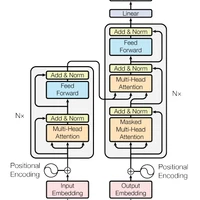

Infinite-LLM: Efficient LLM Service for Long Context with DistAttention and Distributed KVCache
The rapid proliferation of Large Language Models (LLMs) has been a driving force in the growth of cloud-based LLM services, which are now integral to advancing AI applications. However, the dynamic auto-regressive nature of LLM service, along with the need to support exceptionally long context lengths, demands the flexible allocation and release of substantial resources. This presents considerable challenges in designing cloud-based LLM service systems, where inefficient management can lead to performance degradation or resource wastage. In response to these challenges, this work introduces DistAttention, a novel distributed attention algorithm that segments the KV Cache into smaller, manageable units, enabling distributed processing and storage of the attention module. Based on that, we propose DistKV-LLM, a distributed LLM serving system that dynamically manages KV Cache and effectively orchestrates all accessible GPU and CPU memories spanning across the data center. This ensures a high-performance LLM service on the cloud, adaptable to a broad range of context lengths. Validated in a cloud environment with 32 NVIDIA A100 GPUs in configurations from 2 to 32 instances, our system exhibited 1.03-2.4x end-to-end throughput improvements and supported context lengths 2-19x longer than current state-of-the-art LLM service systems, as evidenced by extensive testing across 18 datasets with context lengths up to 1,900K.


AI-native Memory: A Pathway from LLMs Towards AGI
Large language models (LLMs) have demonstrated the world with the sparks of artificial general intelligence (AGI). One opinion, especially from some startups working on LLMs, argues that an LLM with nearly unlimited context length can realize AGI. However, they might be too optimistic about the long-context capability of (existing) LLMs -- (1) Recent literature has shown that their effective context length is significantly smaller than their claimed context length; and (2) Our reasoning-in-a-haystack experiments further demonstrate that simultaneously finding the relevant information from a long context and conducting (simple) reasoning is nearly impossible. In this paper, we envision a pathway from LLMs to AGI through the integration of memory. We believe that AGI should be a system where LLMs serve as core processors. In addition to raw data, the memory in this system would store a large number of important conclusions derived from reasoning processes. Compared with retrieval-augmented generation (RAG) that merely processing raw data, this approach not only connects semantically related information closer, but also simplifies complex inferences at the time of querying. As an intermediate stage, the memory will likely be in the form of natural language descriptions, which can be directly consumed by users too. Ultimately, every agent/person should have its own large personal model, a deep neural network model (thus AI-native) that parameterizes and compresses all types of memory, even the ones cannot be described by natural languages. Finally, we discuss the significant potential of AI-native memory as the transformative infrastructure for (proactive) engagement, personalization, distribution, and social in the AGI era, as well as the incurred privacy and security challenges with preliminary solutions.
AlphaGo Moment for Model Architecture Discovery
While AI systems demonstrate exponentially improving capabilities, the pace of AI research itself remains linearly bounded by human cognitive capacity, creating an increasingly severe development bottleneck. We present ASI-Arch, the first demonstration of Artificial Superintelligence for AI research (ASI4AI) in the critical domain of neural architecture discovery--a fully autonomous system that shatters this fundamental constraint by enabling AI to conduct its own architectural innovation. Moving beyond traditional Neural Architecture Search (NAS), which is fundamentally limited to exploring human-defined spaces, we introduce a paradigm shift from automated optimization to automated innovation. ASI-Arch can conduct end-to-end scientific research in the domain of architecture discovery, autonomously hypothesizing novel architectural concepts, implementing them as executable code, training and empirically validating their performance through rigorous experimentation and past experience. ASI-Arch conducted 1,773 autonomous experiments over 20,000 GPU hours, culminating in the discovery of 106 innovative, state-of-the-art (SOTA) linear attention architectures. Like AlphaGo's Move 37 that revealed unexpected strategic insights invisible to human players, our AI-discovered architectures demonstrate emergent design principles that systematically surpass human-designed baselines and illuminate previously unknown pathways for architectural innovation. Crucially, we establish the first empirical scaling law for scientific discovery itself--demonstrating that architectural breakthroughs can be scaled computationally, transforming research progress from a human-limited to a computation-scalable process. We provide comprehensive analysis of the emergent design patterns and autonomous research capabilities that enabled these breakthroughs, establishing a blueprint for self-accelerating AI systems.
Towards Efficient Generative Large Language Model Serving: A Survey from Algorithms to Systems
In the rapidly evolving landscape of artificial intelligence (AI), generative large language models (LLMs) stand at the forefront, revolutionizing how we interact with our data. However, the computational intensity and memory consumption of deploying these models present substantial challenges in terms of serving efficiency, particularly in scenarios demanding low latency and high throughput. This survey addresses the imperative need for efficient LLM serving methodologies from a machine learning system (MLSys) research perspective, standing at the crux of advanced AI innovations and practical system optimizations. We provide in-depth analysis, covering a spectrum of solutions, ranging from cutting-edge algorithmic modifications to groundbreaking changes in system designs. The survey aims to provide a comprehensive understanding of the current state and future directions in efficient LLM serving, offering valuable insights for researchers and practitioners in overcoming the barriers of effective LLM deployment, thereby reshaping the future of AI.


Pre-Trained Models: Past, Present and Future
Large-scale pre-trained models (PTMs) such as BERT and GPT have recently achieved great success and become a milestone in the field of artificial intelligence (AI). Owing to sophisticated pre-training objectives and huge model parameters, large-scale PTMs can effectively capture knowledge from massive labeled and unlabeled data. By storing knowledge into huge parameters and fine-tuning on specific tasks, the rich knowledge implicitly encoded in huge parameters can benefit a variety of downstream tasks, which has been extensively demonstrated via experimental verification and empirical analysis. It is now the consensus of the AI community to adopt PTMs as backbone for downstream tasks rather than learning models from scratch. In this paper, we take a deep look into the history of pre-training, especially its special relation with transfer learning and self-supervised learning, to reveal the crucial position of PTMs in the AI development spectrum. Further, we comprehensively review the latest breakthroughs of PTMs. These breakthroughs are driven by the surge of computational power and the increasing availability of data, towards four important directions: designing effective architectures, utilizing rich contexts, improving computational efficiency, and conducting interpretation and theoretical analysis. Finally, we discuss a series of open problems and research directions of PTMs, and hope our view can inspire and advance the future study of PTMs.



Meeting SLOs, Slashing Hours: Automated Enterprise LLM Optimization with OptiKIT
Enterprise LLM deployment faces a critical scalability challenge: organizations must optimize models systematically to scale AI initiatives within constrained compute budgets, yet the specialized expertise required for manual optimization remains a niche and scarce skillset. This challenge is particularly evident in managing GPU utilization across heterogeneous infrastructure while enabling teams with diverse workloads and limited LLM optimization experience to deploy models efficiently. We present OptiKIT, a distributed LLM optimization framework that democratizes model compression and tuning by automating complex optimization workflows for non-expert teams. OptiKIT provides dynamic resource allocation, staged pipeline execution with automatic cleanup, and seamless enterprise integration. In production, it delivers more than 2x GPU throughput improvement while empowering application teams to achieve consistent performance improvements without deep LLM optimization expertise. We share both the platform design and key engineering insights into resource allocation algorithms, pipeline orchestration, and integration patterns that enable large-scale, production-grade democratization of model optimization. Finally, we open-source the system to enable external contributions and broader reproducibility.
From Prompt Injections to Protocol Exploits: Threats in LLM-Powered AI Agents Workflows
Autonomous AI agents powered by large language models (LLMs) with structured function-calling interfaces have dramatically expanded capabilities for real-time data retrieval, complex computation, and multi-step orchestration. Yet, the explosive proliferation of plugins, connectors, and inter-agent protocols has outpaced discovery mechanisms and security practices, resulting in brittle integrations vulnerable to diverse threats. In this survey, we introduce the first unified, end-to-end threat model for LLM-agent ecosystems, spanning host-to-tool and agent-to-agent communications, formalize adversary capabilities and attacker objectives, and catalog over thirty attack techniques. Specifically, we organized the threat model into four domains: Input Manipulation (e.g., prompt injections, long-context hijacks, multimodal adversarial inputs), Model Compromise (e.g., prompt- and parameter-level backdoors, composite and encrypted multi-backdoors, poisoning strategies), System and Privacy Attacks (e.g., speculative side-channels, membership inference, retrieval poisoning, social-engineering simulations), and Protocol Vulnerabilities (e.g., exploits in Model Context Protocol (MCP), Agent Communication Protocol (ACP), Agent Network Protocol (ANP), and Agent-to-Agent (A2A) protocol). For each category, we review representative scenarios, assess real-world feasibility, and evaluate existing defenses. Building on our threat taxonomy, we identify key open challenges and future research directions, such as securing MCP deployments through dynamic trust management and cryptographic provenance tracking; designing and hardening Agentic Web Interfaces; and achieving resilience in multi-agent and federated environments. Our work provides a comprehensive reference to guide the design of robust defense mechanisms and establish best practices for resilient LLM-agent workflows.
LLM-based Multi-Agent Blackboard System for Information Discovery in Data Science
The rapid advancement of Large Language Models (LLMs) has opened new opportunities in data science, yet their practical deployment is often constrained by the challenge of discovering relevant data within large heterogeneous data lakes. Existing methods struggle with this: single-agent systems are quickly overwhelmed by large, heterogeneous files in the large data lakes, while multi-agent systems designed based on a master-slave paradigm depend on a rigid central controller for task allocation that requires precise knowledge of each sub-agent's capabilities. To address these limitations, we propose a novel multi-agent communication paradigm inspired by the blackboard architecture for traditional AI models. In this framework, a central agent posts requests to a shared blackboard, and autonomous subordinate agents -- either responsible for a partition of the data lake or general information retrieval -- volunteer to respond based on their capabilities. This design improves scalability and flexibility by eliminating the need for a central coordinator to have prior knowledge of all sub-agents' expertise. We evaluate our method on three benchmarks that require explicit data discovery: KramaBench and modified versions of DS-Bench and DA-Code to incorporate data discovery. Experimental results demonstrate that the blackboard architecture substantially outperforms baselines, including RAG and the master-slave multi-agent paradigm, achieving between 13% to 57% relative improvement in end-to-end task success and up to a 9% relative gain in F1 score for data discovery over the best-performing baselines across both proprietary and open-source LLMs. Our findings establish the blackboard paradigm as a scalable and generalizable communication framework for multi-agent systems.
Doing More with Less -- Implementing Routing Strategies in Large Language Model-Based Systems: An Extended Survey
Large Language Models (LLM)-based systems, i.e. interconnected elements that include an LLM as a central component (e.g., conversational agents), are typically monolithic static architectures that rely on a single LLM for all user queries. However, they often require different preprocessing strategies, levels of reasoning, or knowledge. Generalist LLMs (i.e. GPT-4), trained on very large multi-topic corpora, can perform well in a variety of tasks. However, they require significant financial, energy, and hardware resources that may not be justified for basic tasks. This implies potentially investing in unnecessary costs for a given query. To overcome this problem, a routing mechanism routes user queries to the most suitable components, such as smaller LLMs or experts in specific topics. This approach may improve response quality while minimising costs. Routing can be expanded to other components of the conversational agent architecture, such as the selection of optimal embedding strategies. This paper explores key considerations for integrating routing into LLM-based systems, focusing on resource management, cost definition, and strategy selection. Our main contributions include a formalisation of the problem, a novel taxonomy of existing approaches emphasising relevance and resource efficiency, and a comparative analysis of these strategies in relation to industry practices. Finally, we identify critical challenges and directions for future research.


AI Flow: Perspectives, Scenarios, and Approaches
Pioneered by the foundational information theory by Claude Shannon and the visionary framework of machine intelligence by Alan Turing, the convergent evolution of information and communication technologies (IT/CT) has created an unbroken wave of connectivity and computation. This synergy has sparked a technological revolution, now reaching its peak with large artificial intelligence (AI) models that are reshaping industries and redefining human-machine collaboration. However, the realization of ubiquitous intelligence faces considerable challenges due to substantial resource consumption in large models and high communication bandwidth demands. To address these challenges, AI Flow has been introduced as a multidisciplinary framework that integrates cutting-edge IT and CT advancements, with a particular emphasis on the following three key points. First, device-edge-cloud framework serves as the foundation, which integrates end devices, edge servers, and cloud clusters to optimize scalability and efficiency for low-latency model inference. Second, we introduce the concept of familial models, which refers to a series of different-sized models with aligned hidden features, enabling effective collaboration and the flexibility to adapt to varying resource constraints and dynamic scenarios. Third, connectivity- and interaction-based intelligence emergence is a novel paradigm of AI Flow. By leveraging communication networks to enhance connectivity, the collaboration among AI models across heterogeneous nodes achieves emergent intelligence that surpasses the capability of any single model. The innovations of AI Flow provide enhanced intelligence, timely responsiveness, and ubiquitous accessibility to AI services, paving the way for the tighter fusion of AI techniques and communication systems.


Adaptive Orchestration for Large-Scale Inference on Heterogeneous Accelerator Systems Balancing Cost, Performance, and Resilience
The surge in generative AI workloads has created a need for scalable inference systems that can flexibly harness both GPUs and specialized accelerators while containing operational costs. This paper proposes a hardware-agnostic control loop that adaptively allocates requests across heterogeneous accelerators based on real-time cost and capacity signals. The approach sustains low latency and high throughput by dynamically shifting between cost-optimized and capacity-optimized modes, ensuring the most efficient use of expensive compute resources under fluctuating availability. Evaluated using the Stable Diffusion model, the framework consistently meets latency targets, automatically redirects traffic during capacity shortfalls, and capitalizes on lower-cost accelerators when possible. These results highlight how a feedback-driven deployment strategy, spanning the entire software and hardware stack, can help organizations efficiently scale generative AI workloads while maintaining resilience in the face of limited accelerator capacity.
Safety at Scale: A Comprehensive Survey of Large Model Safety
The rapid advancement of large models, driven by their exceptional abilities in learning and generalization through large-scale pre-training, has reshaped the landscape of Artificial Intelligence (AI). These models are now foundational to a wide range of applications, including conversational AI, recommendation systems, autonomous driving, content generation, medical diagnostics, and scientific discovery. However, their widespread deployment also exposes them to significant safety risks, raising concerns about robustness, reliability, and ethical implications. This survey provides a systematic review of current safety research on large models, covering Vision Foundation Models (VFMs), Large Language Models (LLMs), Vision-Language Pre-training (VLP) models, Vision-Language Models (VLMs), Diffusion Models (DMs), and large-model-based Agents. Our contributions are summarized as follows: (1) We present a comprehensive taxonomy of safety threats to these models, including adversarial attacks, data poisoning, backdoor attacks, jailbreak and prompt injection attacks, energy-latency attacks, data and model extraction attacks, and emerging agent-specific threats. (2) We review defense strategies proposed for each type of attacks if available and summarize the commonly used datasets and benchmarks for safety research. (3) Building on this, we identify and discuss the open challenges in large model safety, emphasizing the need for comprehensive safety evaluations, scalable and effective defense mechanisms, and sustainable data practices. More importantly, we highlight the necessity of collective efforts from the research community and international collaboration. Our work can serve as a useful reference for researchers and practitioners, fostering the ongoing development of comprehensive defense systems and platforms to safeguard AI models.





Composition of Experts: A Modular Compound AI System Leveraging Large Language Models
Large Language Models (LLMs) have achieved remarkable advancements, but their monolithic nature presents challenges in terms of scalability, cost, and customization. This paper introduces the Composition of Experts (CoE), a modular compound AI system leveraging multiple expert LLMs. CoE leverages a router to dynamically select the most appropriate expert for a given input, enabling efficient utilization of resources and improved performance. We formulate the general problem of training a CoE and discuss inherent complexities associated with it. We propose a two-step routing approach to address these complexities that first uses a router to classify the input into distinct categories followed by a category-to-expert mapping to obtain desired experts. CoE offers a flexible and cost-effective solution to build compound AI systems. Our empirical evaluation demonstrates the effectiveness of CoE in achieving superior performance with reduced computational overhead. Given that CoE comprises of many expert LLMs it has unique system requirements for cost-effective serving. We present an efficient implementation of CoE leveraging SambaNova SN40L RDUs unique three-tiered memory architecture. CoEs obtained using open weight LLMs Qwen/Qwen2-7B-Instruct, google/gemma-2-9b-it, google/gemma-2-27b-it, meta-llama/Llama-3.1-70B-Instruct and Qwen/Qwen2-72B-Instruct achieve a score of 59.4 with merely 31 billion average active parameters on Arena-Hard and a score of 9.06 with 54 billion average active parameters on MT-Bench.


SRL: Scaling Distributed Reinforcement Learning to Over Ten Thousand Cores
The ever-growing complexity of reinforcement learning (RL) tasks demands a distributed RL system to efficiently generate and process a massive amount of data to train intelligent agents. However, existing open-source libraries suffer from various limitations, which impede their practical use in challenging scenarios where large-scale training is necessary. While industrial systems from OpenAI and DeepMind have achieved successful large-scale RL training, their system architecture and implementation details remain undisclosed to the community. In this paper, we present a novel abstraction on the dataflows of RL training, which unifies practical RL training across diverse applications into a general framework and enables fine-grained optimizations. Following this abstraction, we develop a scalable, efficient, and extensible distributed RL system called ReaLly Scalable RL (SRL). The system architecture of SRL separates major RL computation components and allows massively parallelized training. Moreover, SRL offers user-friendly and extensible interfaces for customized algorithms. Our evaluation shows that SRL outperforms existing academic libraries in both a single machine and a medium-sized cluster. In a large-scale cluster, the novel architecture of SRL leads to up to 3.7x speedup compared to the design choices adopted by the existing libraries. We also conduct a direct benchmark comparison to OpenAI's industrial system, Rapid, in the challenging hide-and-seek environment. SRL reproduces the same solution as reported by OpenAI with up to 5x speedup in wall-clock time. Furthermore, we also examine the performance of SRL in a much harder variant of the hide-and-seek environment and achieve substantial learning speedup by scaling SRL to over 15k CPU cores and 32 A100 GPUs. Notably, SRL is the first in the academic community to perform RL experiments at such a large scale.

SAI: Solving AI Tasks with Systematic Artificial Intelligence in Communication Network
In the rapid development of artificial intelligence, solving complex AI tasks is a crucial technology in intelligent mobile networks. Despite the good performance of specialized AI models in intelligent mobile networks, they are unable to handle complicated AI tasks. To address this challenge, we propose Systematic Artificial Intelligence (SAI), which is a framework designed to solve AI tasks by leveraging Large Language Models (LLMs) and JSON-format intent-based input to connect self-designed model library and database. Specifically, we first design a multi-input component, which simultaneously integrates Large Language Models (LLMs) and JSON-format intent-based inputs to fulfill the diverse intent requirements of different users. In addition, we introduce a model library module based on model cards which employ model cards to pairwise match between different modules for model composition. Model cards contain the corresponding model's name and the required performance metrics. Then when receiving user network requirements, we execute each subtask for multiple selected model combinations and provide output based on the execution results and LLM feedback. By leveraging the language capabilities of LLMs and the abundant AI models in the model library, SAI can complete numerous complex AI tasks in the communication network, achieving impressive results in network optimization, resource allocation, and other challenging tasks.
Towards AI Search Paradigm
In this paper, we introduce the AI Search Paradigm, a comprehensive blueprint for next-generation search systems capable of emulating human information processing and decision-making. The paradigm employs a modular architecture of four LLM-powered agents (Master, Planner, Executor and Writer) that dynamically adapt to the full spectrum of information needs, from simple factual queries to complex multi-stage reasoning tasks. These agents collaborate dynamically through coordinated workflows to evaluate query complexity, decompose problems into executable plans, and orchestrate tool usage, task execution, and content synthesis. We systematically present key methodologies for realizing this paradigm, including task planning and tool integration, execution strategies, aligned and robust retrieval-augmented generation, and efficient LLM inference, spanning both algorithmic techniques and infrastructure-level optimizations. By providing an in-depth guide to these foundational components, this work aims to inform the development of trustworthy, adaptive, and scalable AI search systems.



Towards Secure and Private AI: A Framework for Decentralized Inference
The rapid advancement of ML models in critical sectors such as healthcare, finance, and security has intensified the need for robust data security, model integrity, and reliable outputs. Large multimodal foundational models, while crucial for complex tasks, present challenges in scalability, reliability, and potential misuse. Decentralized systems offer a solution by distributing workload and mitigating central points of failure, but they introduce risks of unauthorized access to sensitive data across nodes. We address these challenges with a comprehensive framework designed for responsible AI development. Our approach incorporates: 1) Zero-knowledge proofs for secure model verification, enhancing trust without compromising privacy. 2) Consensus-based verification checks to ensure consistent outputs across nodes, mitigating hallucinations and maintaining model integrity. 3) Split Learning techniques that segment models across different nodes, preserving data privacy by preventing full data access at any point. 4) Hardware-based security through trusted execution environments (TEEs) to protect data and computations. This framework aims to enhance security and privacy and improve the reliability and fairness of multimodal AI systems. Promoting efficient resource utilization contributes to more sustainable AI development. Our state-of-the-art proofs and principles demonstrate the framework's effectiveness in responsibly democratizing artificial intelligence, offering a promising approach for building secure and private foundational models.
AI Agent Systems: Architectures, Applications, and Evaluation
AI agents -- systems that combine foundation models with reasoning, planning, memory, and tool use -- are rapidly becoming a practical interface between natural-language intent and real-world computation. This survey synthesizes the emerging landscape of AI agent architectures across: (i) deliberation and reasoning (e.g., chain-of-thought-style decomposition, self-reflection and verification, and constraint-aware decision making), (ii) planning and control (from reactive policies to hierarchical and multi-step planners), and (iii) tool calling and environment interaction (retrieval, code execution, APIs, and multimodal perception). We organize prior work into a unified taxonomy spanning agent components (policy/LLM core, memory, world models, planners, tool routers, and critics), orchestration patterns (single-agent vs.\ multi-agent; centralized vs.\ decentralized coordination), and deployment settings (offline analysis vs.\ online interactive assistance; safety-critical vs.\ open-ended tasks). We discuss key design trade-offs -- latency vs.\ accuracy, autonomy vs.\ controllability, and capability vs.\ reliability -- and highlight how evaluation is complicated by non-determinism, long-horizon credit assignment, tool and environment variability, and hidden costs such as retries and context growth. Finally, we summarize measurement and benchmarking practices (task suites, human preference and utility metrics, success under constraints, robustness and security) and identify open challenges including verification and guardrails for tool actions, scalable memory and context management, interpretability of agent decisions, and reproducible evaluation under realistic workloads.
UFO^3: Weaving the Digital Agent Galaxy
Large language model (LLM)-powered agents are transforming digital devices from passive tools into proactive intelligent collaborators. However, most existing frameworks remain confined to a single OS or device, making cross-device workflows brittle and largely manual. We present UFO^3, a system that unifies heterogeneous endpoints, desktops, servers, mobile devices, and edge, into a single orchestration fabric. UFO^3 models each user request as a mutable TaskConstellation: a distributed DAG of atomic subtasks (TaskStars) with explicit control and data dependencies (TaskStarLines). The TaskConstellation continuously evolves as results stream in from distributed devices, enabling asynchronous execution, adaptive recovery, and dynamic optimization. A Constellation Orchestrator} executes tasks safely and asynchronously while applying dynamic DAG updates, and the Agent Interaction Protocol (AIP) provides persistent, low-latency channels for reliable task dispatch and result streaming. These designs dissolve the traditional boundaries between devices and platforms, allowing agents to collaborate seamlessly and amplify their collective intelligence. We evaluate UFO^3 on NebulaBench, a benchmark of 55 cross-device tasks across 5 machines and 10 categories. UFO^3 achieves 83.3% subtask completion, 70.9% task success, exposes parallelism with an average width of 1.72, and reduces end-to-end latency by 31% relative to a sequential baseline. Fault-injection experiments demonstrate graceful degradation and recovery under transient and permanent agent failures. These results show that UFO^3 achieves accurate, efficient, and resilient task orchestration across heterogeneous devices, uniting isolated agents into a coherent, adaptive computing fabric that extends across the landscape of ubiquitous computing.
Hype, Sustainability, and the Price of the Bigger-is-Better Paradigm in AI
With the growing attention and investment in recent AI approaches such as large language models, the narrative that the larger the AI system the more valuable, powerful and interesting it is is increasingly seen as common sense. But what is this assumption based on, and how are we measuring value, power, and performance? And what are the collateral consequences of this race to ever-increasing scale? Here, we scrutinize the current scaling trends and trade-offs across multiple axes and refute two common assumptions underlying the 'bigger-is-better' AI paradigm: 1) that improved performance is a product of increased scale, and 2) that all interesting problems addressed by AI require large-scale models. Rather, we argue that this approach is not only fragile scientifically, but comes with undesirable consequences. First, it is not sustainable, as its compute demands increase faster than model performance, leading to unreasonable economic requirements and a disproportionate environmental footprint. Second, it implies focusing on certain problems at the expense of others, leaving aside important applications, e.g. health, education, or the climate. Finally, it exacerbates a concentration of power, which centralizes decision-making in the hands of a few actors while threatening to disempower others in the context of shaping both AI research and its applications throughout society.

MAIF: Enforcing AI Trust and Provenance with an Artifact-Centric Agentic Paradigm
The AI trustworthiness crisis threatens to derail the artificial intelligence revolution, with regulatory barriers, security vulnerabilities, and accountability gaps preventing deployment in critical domains. Current AI systems operate on opaque data structures that lack the audit trails, provenance tracking, or explainability required by emerging regulations like the EU AI Act. We propose an artifact-centric AI agent paradigm where behavior is driven by persistent, verifiable data artifacts rather than ephemeral tasks, solving the trustworthiness problem at the data architecture level. Central to this approach is the Multimodal Artifact File Format (MAIF), an AI-native container embedding semantic representations, cryptographic provenance, and granular access controls. MAIF transforms data from passive storage into active trust enforcement, making every AI operation inherently auditable. Our production-ready implementation demonstrates ultra-high-speed streaming (2,720.7 MB/s), optimized video processing (1,342 MB/s), and enterprise-grade security. Novel algorithms for cross-modal attention, semantic compression, and cryptographic binding achieve up to 225 compression while maintaining semantic fidelity. Advanced security features include stream-level access control, real-time tamper detection, and behavioral anomaly analysis with minimal overhead. This approach directly addresses the regulatory, security, and accountability challenges preventing AI deployment in sensitive domains, offering a viable path toward trustworthy AI systems at scale.

Empowering Federated Learning for Massive Models with NVIDIA FLARE
In the ever-evolving landscape of artificial intelligence (AI) and large language models (LLMs), handling and leveraging data effectively has become a critical challenge. Most state-of-the-art machine learning algorithms are data-centric. However, as the lifeblood of model performance, necessary data cannot always be centralized due to various factors such as privacy, regulation, geopolitics, copyright issues, and the sheer effort required to move vast datasets. In this paper, we explore how federated learning enabled by NVIDIA FLARE can address these challenges with easy and scalable integration capabilities, enabling parameter-efficient and full supervised fine-tuning of LLMs for natural language processing and biopharmaceutical applications to enhance their accuracy and robustness.
LLM Agent Operating System
The integration and deployment of large language model (LLM)-based intelligent agents have been fraught with challenges that compromise their efficiency and efficacy. Among these issues are sub-optimal scheduling and resource allocation of agent requests over the LLM, the difficulties in maintaining context during interactions between agent and LLM, and the complexities inherent in integrating heterogeneous agents with different capabilities and specializations. The rapid increase of agent quantity and complexity further exacerbates these issues, often leading to bottlenecks and sub-optimal utilization of resources. Inspired by these challenges, this paper presents AIOS, an LLM agent operating system, which embeds large language model into operating systems (OS). Specifically, AIOS is designed to optimize resource allocation, facilitate context switch across agents, enable concurrent execution of agents, provide tool service for agents, and maintain access control for agents. We present the architecture of such an operating system, outline the core challenges it aims to resolve, and provide the basic design and implementation of the AIOS. Our experiments on concurrent execution of multiple agents demonstrate the reliability and efficiency of our AIOS modules. Through this, we aim to not only improve the performance and efficiency of LLM agents but also to pioneer for better development and deployment of the AIOS ecosystem in the future. The project is open-source at https://github.com/agiresearch/AIOS.


Ray: A Distributed Framework for Emerging AI Applications
The next generation of AI applications will continuously interact with the environment and learn from these interactions. These applications impose new and demanding systems requirements, both in terms of performance and flexibility. In this paper, we consider these requirements and present Ray---a distributed system to address them. Ray implements a unified interface that can express both task-parallel and actor-based computations, supported by a single dynamic execution engine. To meet the performance requirements, Ray employs a distributed scheduler and a distributed and fault-tolerant store to manage the system's control state. In our experiments, we demonstrate scaling beyond 1.8 million tasks per second and better performance than existing specialized systems for several challenging reinforcement learning applications.
IntellAgent: A Multi-Agent Framework for Evaluating Conversational AI Systems
Large Language Models (LLMs) are transforming artificial intelligence, evolving into task-oriented systems capable of autonomous planning and execution. One of the primary applications of LLMs is conversational AI systems, which must navigate multi-turn dialogues, integrate domain-specific APIs, and adhere to strict policy constraints. However, evaluating these agents remains a significant challenge, as traditional methods fail to capture the complexity and variability of real-world interactions. We introduce IntellAgent, a scalable, open-source multi-agent framework designed to evaluate conversational AI systems comprehensively. IntellAgent automates the creation of diverse, synthetic benchmarks by combining policy-driven graph modeling, realistic event generation, and interactive user-agent simulations. This innovative approach provides fine-grained diagnostics, addressing the limitations of static and manually curated benchmarks with coarse-grained metrics. IntellAgent represents a paradigm shift in evaluating conversational AI. By simulating realistic, multi-policy scenarios across varying levels of complexity, IntellAgent captures the nuanced interplay of agent capabilities and policy constraints. Unlike traditional methods, it employs a graph-based policy model to represent relationships, likelihoods, and complexities of policy interactions, enabling highly detailed diagnostics. IntellAgent also identifies critical performance gaps, offering actionable insights for targeted optimization. Its modular, open-source design supports seamless integration of new domains, policies, and APIs, fostering reproducibility and community collaboration. Our findings demonstrate that IntellAgent serves as an effective framework for advancing conversational AI by addressing challenges in bridging research and deployment. The framework is available at https://github.com/plurai-ai/intellagent

Security Challenges in AI Agent Deployment: Insights from a Large Scale Public Competition
Recent advances have enabled LLM-powered AI agents to autonomously execute complex tasks by combining language model reasoning with tools, memory, and web access. But can these systems be trusted to follow deployment policies in realistic environments, especially under attack? To investigate, we ran the largest public red-teaming competition to date, targeting 22 frontier AI agents across 44 realistic deployment scenarios. Participants submitted 1.8 million prompt-injection attacks, with over 60,000 successfully eliciting policy violations such as unauthorized data access, illicit financial actions, and regulatory noncompliance. We use these results to build the Agent Red Teaming (ART) benchmark - a curated set of high-impact attacks - and evaluate it across 19 state-of-the-art models. Nearly all agents exhibit policy violations for most behaviors within 10-100 queries, with high attack transferability across models and tasks. Importantly, we find limited correlation between agent robustness and model size, capability, or inference-time compute, suggesting that additional defenses are needed against adversarial misuse. Our findings highlight critical and persistent vulnerabilities in today's AI agents. By releasing the ART benchmark and accompanying evaluation framework, we aim to support more rigorous security assessment and drive progress toward safer agent deployment.

Characterizing and Efficiently Accelerating Multimodal Generation Model Inference
Generative artificial intelligence (AI) technology is revolutionizing the computing industry. Not only its applications have broadened to various sectors but also poses new system design and optimization opportunities. The technology is capable of understanding and responding in multiple modalities. However, the advanced capability currently comes with significant system resource demands. To sustainably scale generative AI capabilities to billions of users in the world, inference must be fast and efficient. This paper pinpoints key system design and optimization opportunities by characterizing a family of emerging multi-modal generation models on real systems. Auto-regressive token generation is a critical latency performance bottleneck, typically dominated by GPU idle time. In addition to memory-intensive attention across the generative AI models, linear operations constitute significant inference latency due to the feed forward networks in Transformer-based models. We demonstrate that state-of-the-art optimization levers, spanning from applications to system software and hardware, set a 3.88x better baseline.


INTELLECT-3: Technical Report
We present INTELLECT-3, a 106B-parameter Mixture-of-Experts model (12B active) trained with large-scale reinforcement learning on our end-to-end RL infrastructure stack. INTELLECT-3 achieves state of the art performance for its size across math, code, science and reasoning benchmarks, outperforming many larger frontier models. We open-source the model together with the full infrastructure stack used to create it, including RL frameworks, complete recipe, and a wide collection of environments, built with the verifiers library, for training and evaluation from our Environments Hub community platform. Built for this effort, we introduce prime-rl, an open framework for large-scale asynchronous reinforcement learning, which scales seamlessly from a single node to thousands of GPUs, and is tailored for agentic RL with first-class support for multi-turn interactions and tool use. Using this stack, we run both SFT and RL training on top of the GLM-4.5-Air-Base model, scaling RL training up to 512 H200s with high training efficiency.

Growing Transformers: Modular Composition and Layer-wise Expansion on a Frozen Substrate
The prevailing paradigm for scaling large language models (LLMs) involves monolithic, end-to-end training, a resource-intensive process that lacks flexibility. This paper explores an alternative, constructive approach to model development, built upon the foundation of non-trainable, deterministic input embeddings. In prior [1], we established that high-level semantic reasoning can emerge in Transformers using frozen embeddings derived from the visual structure of Unicode glyphs. Here, we demonstrate that this fixed representational substrate acts as a universal "docking port," enabling two powerful and efficient scaling paradigms: seamless modular composition and progressive layer-wise growth. First, we show that specialist models trained on disparate datasets (e.g., Russian and Chinese text) can be merged into a single, more capable Mixture-of-Experts (MoE) model, post-training, with zero architectural modification. This is achieved by simply averaging their output logits. The resulting MoE model exhibits immediate performance improvements on reasoning benchmarks like MMLU, surpassing its constituent experts without catastrophic forgetting. Second, we introduce a layer-wise constructive training methodology, where a deep Transformer is "grown" by progressively stacking and training one layer at a time. This method demonstrates stable convergence and a clear correlation between model depth and the emergence of complex reasoning abilities, such as those required for SQuAD. Our findings suggest a paradigm shift from monolithic optimization towards a more biological or constructive model of AI development, where complexity is built incrementally and modules can be composed freely. This opens new avenues for resource-efficient scaling, continual learning, and a more democratized ecosystem for building powerful AI systems. We release all code and models to facilitate further research.

CACA Agent: Capability Collaboration based AI Agent
As AI Agents based on Large Language Models (LLMs) have shown potential in practical applications across various fields, how to quickly deploy an AI agent and how to conveniently expand the application scenario of AI agents has become a challenge. Previous studies mainly focused on implementing all the reasoning capabilities of AI agents within a single LLM, which often makes the model more complex and also reduces the extensibility of AI agent functionality. In this paper, we propose CACA Agent (Capability Collaboration based AI Agent), using an open architecture inspired by service computing. CACA Agent integrates a set of collaborative capabilities to implement AI Agents, not only reducing the dependence on a single LLM, but also enhancing the extensibility of both the planning abilities and the tools available to AI agents. Utilizing the proposed system, we present a demo to illustrate the operation and the application scenario extension of CACA Agent.
MRKL Systems: A modular, neuro-symbolic architecture that combines large language models, external knowledge sources and discrete reasoning
Huge language models (LMs) have ushered in a new era for AI, serving as a gateway to natural-language-based knowledge tasks. Although an essential element of modern AI, LMs are also inherently limited in a number of ways. We discuss these limitations and how they can be avoided by adopting a systems approach. Conceptualizing the challenge as one that involves knowledge and reasoning in addition to linguistic processing, we define a flexible architecture with multiple neural models, complemented by discrete knowledge and reasoning modules. We describe this neuro-symbolic architecture, dubbed the Modular Reasoning, Knowledge and Language (MRKL, pronounced "miracle") system, some of the technical challenges in implementing it, and Jurassic-X, AI21 Labs' MRKL system implementation.

Scaling Knowledge Graphs for Automating AI of Digital Twins
Digital Twins are digital representations of systems in the Internet of Things (IoT) that are often based on AI models that are trained on data from those systems. Semantic models are used increasingly to link these datasets from different stages of the IoT systems life-cycle together and to automatically configure the AI modelling pipelines. This combination of semantic models with AI pipelines running on external datasets raises unique challenges particular if rolled out at scale. Within this paper we will discuss the unique requirements of applying semantic graphs to automate Digital Twins in different practical use cases. We will introduce the benchmark dataset DTBM that reflects these characteristics and look into the scaling challenges of different knowledge graph technologies. Based on these insights we will propose a reference architecture that is in-use in multiple products in IBM and derive lessons learned for scaling knowledge graphs for configuring AI models for Digital Twins.
Adaptive Cybersecurity Architecture for Digital Product Ecosystems Using Agentic AI
Traditional static cybersecurity models often struggle with scalability, real-time detection, and contextual responsiveness in the current digital product ecosystems which include cloud services, application programming interfaces (APIs), mobile platforms, and edge devices. This study introduces autonomous goal driven agents capable of dynamic learning and context-aware decision making as part of an adaptive cybersecurity architecture driven by agentic artificial intelligence (AI). To facilitate autonomous threat mitigation, proactive policy enforcement, and real-time anomaly detection, this framework integrates agentic AI across the key ecosystem layers. Behavioral baselining, decentralized risk scoring, and federated threat intelligence sharing are important features. The capacity of the system to identify zero-day attacks and dynamically modify access policies was demonstrated through native cloud simulations. The evaluation results show increased adaptability, decreased response latency, and improved detection accuracy. The architecture provides an intelligent and scalable blueprint for safeguarding complex digital infrastructure and is compatible with zero-trust models, thereby supporting the adherence to international cybersecurity regulations.
Beyond Efficiency: A Systematic Survey of Resource-Efficient Large Language Models
The burgeoning field of Large Language Models (LLMs), exemplified by sophisticated models like OpenAI's ChatGPT, represents a significant advancement in artificial intelligence. These models, however, bring forth substantial challenges in the high consumption of computational, memory, energy, and financial resources, especially in environments with limited resource capabilities. This survey aims to systematically address these challenges by reviewing a broad spectrum of techniques designed to enhance the resource efficiency of LLMs. We categorize methods based on their optimization focus: computational, memory, energy, financial, and network resources and their applicability across various stages of an LLM's lifecycle, including architecture design, pretraining, finetuning, and system design. Additionally, the survey introduces a nuanced categorization of resource efficiency techniques by their specific resource types, which uncovers the intricate relationships and mappings between various resources and corresponding optimization techniques. A standardized set of evaluation metrics and datasets is also presented to facilitate consistent and fair comparisons across different models and techniques. By offering a comprehensive overview of the current sota and identifying open research avenues, this survey serves as a foundational reference for researchers and practitioners, aiding them in developing more sustainable and efficient LLMs in a rapidly evolving landscape.




Autonomous Deep Agent
This technical brief introduces Deep Agent, an advanced autonomous AI system designed to manage complex multi-phase tasks through a novel hierarchical task management architecture. The system's foundation is built on our Hierarchical Task DAG (HTDAG) framework, which dynamically decomposes high-level objectives into manageable sub-tasks while rigorously maintaining dependencies and execution coherence. Deep Agent advances beyond traditional agent systems through three key innovations: First, it implements a recursive two-stage planner-executor architecture that enables continuous task refinement and adaptation as circumstances change. Second, it features an Autonomous API & Tool Creation (AATC) system that automatically generates reusable components from UI interactions, substantially reducing operational costs for similar tasks. Third, it incorporates Prompt Tweaking Engine and Autonomous Prompt Feedback Learning components that optimize Large Language Model prompts for specific scenarios, enhancing both inference accuracy and operational stability. These components are integrated to form a service infrastructure that manages user contexts, handles complex task dependencies, and orchestrates end-to-end agentic workflow execution. Through this sophisticated architecture, Deep Agent establishes a novel paradigm in self-governing AI systems, demonstrating robust capability to independently handle intricate, multi-step tasks while maintaining consistent efficiency and reliability through continuous self-optimization.
Multi-Agent Collaboration: Harnessing the Power of Intelligent LLM Agents
In this paper, we present a novel framework for enhancing the capabilities of large language models (LLMs) by leveraging the power of multi-agent systems. Our framework introduces a collaborative environment where multiple intelligent agent components, each with distinctive attributes and roles, work together to handle complex tasks more efficiently and effectively. We demonstrate the practicality and versatility of our framework through case studies in artificial general intelligence (AGI), specifically focusing on the Auto-GPT and BabyAGI models. We also examine the "Gorilla" model, which integrates external APIs into the LLM. Our framework addresses limitations and challenges such as looping issues, security risks, scalability, system evaluation, and ethical considerations. By modeling various domains such as courtroom simulations and software development scenarios, we showcase the potential applications and benefits of our proposed multi-agent system. Our framework provides an avenue for advancing the capabilities and performance of LLMs through collaboration and knowledge exchange among intelligent agents.

Meta-Learning for Speeding Up Large Model Inference in Decentralized Environments
The deployment of large-scale models, such as large language models (LLMs) and sophisticated image generation systems, incurs substantial costs due to their computational demands. To mitigate these costs and address challenges related to scalability and data security, there is a growing shift towards decentralized systems for deploying such models. In these decentralized environments, efficient inference acceleration becomes crucial to manage computational resources effectively and enhance system responsiveness. In this work, we address the challenge of selecting optimal acceleration methods in decentralized systems by introducing a meta-learning-based framework. This framework automates the selection process by learning from historical performance data of various acceleration techniques across different tasks. Unlike traditional methods that rely on random selection or expert intuition, our approach systematically identifies the best acceleration strategies based on the specific characteristics of each task. We demonstrate that our meta-learning framework not only streamlines the decision-making process but also consistently outperforms conventional methods in terms of efficiency and performance. Our results highlight the potential of meta-learning to revolutionize inference acceleration in decentralized AI systems, offering a path towards more democratic and economically feasible artificial intelligence solutions.
Superpipeline: A Universal Approach for Reducing GPU Memory Usage in Large Models
The rapid growth in machine learning models, especially in natural language processing and computer vision, has led to challenges when running these models on hardware with limited resources. This paper introduces Superpipeline, a new framework designed to optimize the execution of large AI models on constrained hardware during both training and inference. Our approach involves dynamically managing model execution by dividing models into individual layers and efficiently transferring these layers between GPU and CPU memory. Superpipeline reduces GPU memory usage by up to 60% in our experiments while maintaining model accuracy and acceptable processing speeds. This allows models that would otherwise exceed available GPU memory to run effectively. Unlike existing solutions that focus mainly on inference or specific model types, Superpipeline can be applied to large language models (LLMs), vision-language models (VLMs), and vision-based models. We tested Superpipeline's performance across various models and hardware setups. The method includes two key parameters that allow fine-tuning the balance between GPU memory use and processing speed. Importantly, Superpipeline does not require retraining or changing model parameters, ensuring that the original model's output remains unchanged. Superpipeline's simplicity and flexibility make it useful for researchers and professionals working with advanced AI models on limited hardware. It enables the use of larger models or bigger batch sizes on existing hardware, potentially speeding up innovation across many machine learning applications. This work marks an important step toward making advanced AI models more accessible and optimizing their deployment in resource-limited environments. The code for Superpipeline is available at https://github.com/abbasiReza/super-pipeline.
EdgeReasoning: Characterizing Reasoning LLM Deployment on Edge GPUs
Edge intelligence paradigm is increasingly demanded by the emerging autonomous systems, such as robotics. Beyond ensuring privacy-preserving operation and resilience in connectivity-limited environments, edge deployment offers significant energy and cost advantages over cloud-based solutions. However, deploying large language models (LLMs) for reasoning tasks on edge GPUs faces critical challenges from strict latency constraints and limited computational resources. To navigate these constraints, developers must balance multiple design factors - choosing reasoning versus non-reasoning architectures, selecting appropriate model sizes, allocating token budgets, and applying test-time scaling strategies - to meet target latency and optimize accuracy. Yet guidance on optimal combinations of these variables remains scarce. In this work, we present EdgeReasoning, a comprehensive study characterizing the deployment of reasoning LLMs on edge GPUs. We systematically quantify latency-accuracy tradeoffs across various LLM architectures and model sizes. We systematically evaluate prompt-based and model-tuning-based techniques for reducing reasoning token length while maintaining performance quality. We further profile test-time scaling methods with varying degrees of parallelism to maximize accuracy under strict latency budgets. Through these analyses, EdgeReasoning maps the Pareto frontier of achievable accuracy-latency configurations, offering systematic guidance for optimal edge deployment of reasoning LLMs.
Duo-LLM: A Framework for Studying Adaptive Computation in Large Language Models
Large Language Models (LLMs) typically generate outputs token by token using a fixed compute budget, leading to inefficient resource utilization. To address this shortcoming, recent advancements in mixture of expert (MoE) models, speculative decoding, and early exit strategies leverage the insight that computational demands can vary significantly based on the complexity and nature of the input. However, identifying optimal routing patterns for dynamic execution remains an open challenge, limiting the full potential of these adaptive methods. To address this need, we study adaptive computation in LLMs more systematically. We propose a novel framework that integrates smaller auxiliary modules within each Feed-Forward Network layer of the LLM. This design enables dynamic routing of tokens based on task complexity: tokens can be processed by either the small or big modules at each layer, or even bypass certain layers entirely. This allows us to introduce a novel notion of a token's difficulty, defined by its potential to benefit from additional computational resources. Importantly, by employing oracles to identify optimal patterns of adaptive computations, we gain valuable insights into the internal workings of LLMs and the routing processes in a simplified heterogeneous MoE setup. We show that trained routers operate differently from oracles and often yield suboptimal solutions. Notably, activating a large module in just one layer outperforms models that use large modules across all layers, underscoring the gap between practical implementations of routing in MoE models and theoretical optima for adaptive computation.

A Survey of AI Agent Protocols
The rapid development of large language models (LLMs) has led to the widespread deployment of LLM agents across diverse industries, including customer service, content generation, data analysis, and even healthcare. However, as more LLM agents are deployed, a major issue has emerged: there is no standard way for these agents to communicate with external tools or data sources. This lack of standardized protocols makes it difficult for agents to work together or scale effectively, and it limits their ability to tackle complex, real-world tasks. A unified communication protocol for LLM agents could change this. It would allow agents and tools to interact more smoothly, encourage collaboration, and triggering the formation of collective intelligence. In this paper, we provide the first comprehensive analysis of existing agent protocols, proposing a systematic two-dimensional classification that differentiates context-oriented versus inter-agent protocols and general-purpose versus domain-specific protocols. Additionally, we conduct a comparative performance analysis of these protocols across key dimensions such as security, scalability, and latency. Finally, we explore the future landscape of agent protocols by identifying critical research directions and characteristics necessary for next-generation protocols. These characteristics include adaptability, privacy preservation, and group-based interaction, as well as trends toward layered architectures and collective intelligence infrastructures. We expect this work to serve as a practical reference for both researchers and engineers seeking to design, evaluate, or integrate robust communication infrastructures for intelligent agents.
Learning Obfuscations Of LLM Embedding Sequences: Stained Glass Transform
The high cost of ownership of AI compute infrastructure and challenges of robust serving of large language models (LLMs) has led to a surge in managed Model-as-a-service deployments. Even when enterprises choose on-premises deployments, the compute infrastructure is typically shared across many teams in order to maximize the return on investment. In both scenarios the deployed models operate only on plaintext data, and so enterprise data owners must allow their data to appear in plaintext on a shared or multi-tenant compute infrastructure. This results in data owners with private or sensitive data being hesitant or restricted in what data they use with these types of deployments. In this work we introduce the Stained Glass Transform, a learned, stochastic, and sequence dependent transformation of the word embeddings of an LLM which information theoretically provides privacy to the input of the LLM while preserving the utility of model. We theoretically connect a particular class of Stained Glass Transforms to the theory of mutual information of Gaussian Mixture Models. We then calculate a-postiori privacy estimates, based on mutual information, and verify the privacy and utility of instances of transformed embeddings through token level metrics of privacy and standard LLM performance benchmarks.


Coalitions of Large Language Models Increase the Robustness of AI Agents
The emergence of Large Language Models (LLMs) have fundamentally altered the way we interact with digital systems and have led to the pursuit of LLM powered AI agents to assist in daily workflows. LLMs, whilst powerful and capable of demonstrating some emergent properties, are not logical reasoners and often struggle to perform well at all sub-tasks carried out by an AI agent to plan and execute a workflow. While existing studies tackle this lack of proficiency by generalised pretraining at a huge scale or by specialised fine-tuning for tool use, we assess if a system comprising of a coalition of pretrained LLMs, each exhibiting specialised performance at individual sub-tasks, can match the performance of single model agents. The coalition of models approach showcases its potential for building robustness and reducing the operational costs of these AI agents by leveraging traits exhibited by specific models. Our findings demonstrate that fine-tuning can be mitigated by considering a coalition of pretrained models and believe that this approach can be applied to other non-agentic systems which utilise LLMs.

O-Researcher: An Open Ended Deep Research Model via Multi-Agent Distillation and Agentic RL
The performance gap between closed-source and open-source large language models (LLMs) is largely attributed to disparities in access to high-quality training data. To bridge this gap, we introduce a novel framework for the automated synthesis of sophisticated, research-grade instructional data. Our approach centers on a multi-agent workflow where collaborative AI agents simulate complex tool-integrated reasoning to generate diverse and high-fidelity data end-to-end. Leveraging this synthesized data, we develop a two-stage training strategy that integrates supervised fine-tuning with a novel reinforcement learning method, designed to maximize model alignment and capability. Extensive experiments demonstrate that our framework empowers open-source models across multiple scales, enabling them to achieve new state-of-the-art performance on the major deep research benchmark. This work provides a scalable and effective pathway for advancing open-source LLMs without relying on proprietary data or models.
Towards Edge General Intelligence via Large Language Models: Opportunities and Challenges
Edge Intelligence (EI) has been instrumental in delivering real-time, localized services by leveraging the computational capabilities of edge networks. The integration of Large Language Models (LLMs) empowers EI to evolve into the next stage: Edge General Intelligence (EGI), enabling more adaptive and versatile applications that require advanced understanding and reasoning capabilities. However, systematic exploration in this area remains insufficient. This survey delineates the distinctions between EGI and traditional EI, categorizing LLM-empowered EGI into three conceptual systems: centralized, hybrid, and decentralized. For each system, we detail the framework designs and review existing implementations. Furthermore, we evaluate the performance and throughput of various Small Language Models (SLMs) that are more suitable for development on edge devices. This survey provides researchers with a comprehensive vision of EGI, offering insights into its vast potential and establishing a foundation for future advancements in this rapidly evolving field.
Efficient Telecom Specific LLM: TSLAM-Mini with QLoRA and Digital Twin Data
General-purpose large language models (LLMs), despite their broad capabilities accrued from open-world data, frequently exhibit suboptimal performance when confronted with the nuanced and specialized demands inherent in real-time telecommunications applications. This investigation addresses this critical limitation through the meticulous fine-tuning of TSLAM-Mini developed by NetoAI, a compact (3.8-billion parameter) causal language model architecturally derived from Phi-4 Mini Instruct 4B. The fine-tuning regimen leverages a bespoke dataset comprising 100,000 samples, strategically engineered to address 20 pivotal telecommunications use-cases, encompassing domains such as Network Fundamentals, IP Routing, MPLS, Network Security, Automation, OSS/BSS, RAN, Mobile Core, Satellite Communications, and Ethical AI. This dataset was curated utilizing NetoAI's DigiTwin platform, enriched with granular insights from venerated network Subject Matter Experts (SMEs) and authoritative RFC documents, thereby capturing high-fidelity representations of real-world network dynamics through simulations inspired by digital twin paradigms. Employing Quantized Low-Rank Adaptation (QLoRA), a state-of-the-art Parameter Efficient Fine-Tuning (PEFT) technique, we achieved substantial training efficiency and enabled prospective deployment on resource-constrained hardware. A novel evaluation framework, predicated on a high-capacity LLM (Qwen3-235B-A22B) functioning as an automated adjudicator, was instituted to rigorously assess instruction-following fidelity and response quality across the specified telecom use-cases. Empirical results unequivocally demonstrate TSLAM-Mini's superior aptitude in telecom-centric applications, underscoring the profound efficacy of domain-specific datasets and PEFT methodologies for advancing intelligent network management.
AI-Researcher: Autonomous Scientific Innovation
The powerful reasoning capabilities of Large Language Models (LLMs) in mathematics and coding, combined with their ability to automate complex tasks through agentic frameworks, present unprecedented opportunities for accelerating scientific innovation. In this paper, we introduce AI-Researcher, a fully autonomous research system that transforms how AI-driven scientific discovery is conducted and evaluated. Our framework seamlessly orchestrates the complete research pipeline--from literature review and hypothesis generation to algorithm implementation and publication-ready manuscript preparation--with minimal human intervention. To rigorously assess autonomous research capabilities, we develop Scientist-Bench, a comprehensive benchmark comprising state-of-the-art papers across diverse AI research domains, featuring both guided innovation and open-ended exploration tasks. Through extensive experiments, we demonstrate that AI-Researcher achieves remarkable implementation success rates and produces research papers that approach human-level quality. This work establishes new foundations for autonomous scientific innovation that can complement human researchers by systematically exploring solution spaces beyond cognitive limitations.
KubeIntellect: A Modular LLM-Orchestrated Agent Framework for End-to-End Kubernetes Management
Kubernetes has become the foundation of modern cloud-native infrastructure, yet its management remains complex and fragmented. Administrators must navigate a vast API surface, manage heterogeneous workloads, and coordinate tasks across disconnected tools - often requiring precise commands, YAML configuration, and contextual expertise. This paper presents KubeIntellect, a Large Language Model (LLM)-powered system for intelligent, end-to-end Kubernetes control. Unlike existing tools that focus on observability or static automation, KubeIntellect supports natural language interaction across the full spectrum of Kubernetes API operations, including read, write, delete, exec, access control, lifecycle, and advanced verbs. The system uses modular agents aligned with functional domains (e.g., logs, metrics, RBAC), orchestrated by a supervisor that interprets user queries, maintains workflow memory, invokes reusable tools, or synthesizes new ones via a secure Code Generator Agent. KubeIntellect integrates memory checkpoints, human-in-the-loop clarification, and dynamic task sequencing into a structured orchestration framework. Evaluation results show a 93% tool synthesis success rate and 100% reliability across 200 natural language queries, demonstrating the system's ability to operate efficiently under diverse workloads. An automated demo environment is provided on Azure, with additional support for local testing via kind. This work introduces a new class of interpretable, extensible, and LLM-driven systems for managing complex infrastructure.
Computing in the Era of Large Generative Models: From Cloud-Native to AI-Native
In this paper, we investigate the intersection of large generative AI models and cloud-native computing architectures. Recent large models such as ChatGPT, while revolutionary in their capabilities, face challenges like escalating costs and demand for high-end GPUs. Drawing analogies between large-model-as-a-service (LMaaS) and cloud database-as-a-service (DBaaS), we describe an AI-native computing paradigm that harnesses the power of both cloud-native technologies (e.g., multi-tenancy and serverless computing) and advanced machine learning runtime (e.g., batched LoRA inference). These joint efforts aim to optimize costs-of-goods-sold (COGS) and improve resource accessibility. The journey of merging these two domains is just at the beginning and we hope to stimulate future research and development in this area.


ComputerRL: Scaling End-to-End Online Reinforcement Learning for Computer Use Agents
We introduce ComputerRL, a framework for autonomous desktop intelligence that enables agents to operate complex digital workspaces skillfully. ComputerRL features the API-GUI paradigm, which unifies programmatic API calls and direct GUI interaction to address the inherent mismatch between machine agents and human-centric desktop environments. Scaling end-to-end RL training is crucial for improvement and generalization across diverse desktop tasks, yet remains challenging due to environmental inefficiency and instability in extended training. To support scalable and robust training, we develop a distributed RL infrastructure capable of orchestrating thousands of parallel virtual desktop environments to accelerate large-scale online RL. Furthermore, we propose Entropulse, a training strategy that alternates reinforcement learning with supervised fine-tuning, effectively mitigating entropy collapse during extended training runs. We employ ComputerRL on open models GLM-4-9B-0414 and Qwen2.5-14B, and evaluate them on the OSWorld benchmark. The AutoGLM-OS-9B based on GLM-4-9B-0414 achieves a new state-of-the-art accuracy of 48.1%, demonstrating significant improvements for general agents in desktop automation. The algorithm and framework are adopted in building AutoGLM (Liu et al., 2024a)


Planet as a Brain: Towards Internet of AgentSites based on AIOS Server
The internet is undergoing a historical transformation from the "Internet of Websites" to the "Internet of AgentSites." While traditional Websites served as the foundation for information hosting and dissemination, a new frontier is emerging where AgentSites serve as the hubs of the internet, where each AgentSite hosts one or more AI agents that receive tasks, address them, and deliver actionable solutions, marking a significant shift in the digital landscape and representing the next generation of online ecosystems. Under this vision, AIOS, the AI Agent Operating System, serves as the server for the development, deployment and execution of AI agents, which is a fundamental infrastructure for the Internet of Agentsites. In this paper, we introduce AIOS Server, a runtime framework to host agents and enable global-scale collaboration among decentralized agents. AIOS Server provides a communication protocol leveraging the Model Context Protocol (MCP) and JSON-RPC to enable agent-agent or human-agent interactions. Each AIOS node operates as a server to host and execute agents, while supporting peer-to-peer coordination without reliance on centralized orchestration. Based on AIOS Server, we further present the world's first practically deployed Internet of Agentsites (AIOS-IoA), including AgentHub for agent registration and discovery and AgentChat for interactive communication, at https://planet.aios.foundation. The agent discovery mechanism based on Distributed Hash Tables (DHT) and a Gossip protocol serves as the search engine for the internet of agentsites. This work provides a practical foundation for building the Internet of Agentsites-a new paradigm where autonomous agents become first-class citizens of the web. The implementation is available at https://github.com/agiresearch/AIOS.Server and is integrated into the AIOS main branch at https://github.com/agiresearch/AIOS.
Generative AI for Video Translation: A Scalable Architecture for Multilingual Video Conferencing
The real-time deployment of cascaded generative AI pipelines for applications like video translation is constrained by significant system-level challenges. These include the cumulative latency of sequential model inference and the quadratic (O(N^2)) computational complexity that renders multi-user video conferencing applications unscalable. This paper proposes and evaluates a practical system-level framework designed to mitigate these critical bottlenecks. The proposed architecture incorporates a turn-taking mechanism to reduce computational complexity from quadratic to linear in multi-user scenarios, and a segmented processing protocol to manage inference latency for a perceptually real-time experience. We implement a proof-of-concept pipeline and conduct a rigorous performance analysis across a multi-tiered hardware setup, including commodity (NVIDIA RTX 4060), cloud (NVIDIA T4), and enterprise (NVIDIA A100) GPUs. Our objective evaluation demonstrates that the system achieves real-time throughput (τ< 1.0) on modern hardware. A subjective user study further validates the approach, showing that a predictable, initial processing delay is highly acceptable to users in exchange for a smooth, uninterrupted playback experience. The work presents a validated, end-to-end system design that offers a practical roadmap for deploying scalable, real-time generative AI applications in multilingual communication platforms.

From MOOC to MAIC: Reshaping Online Teaching and Learning through LLM-driven Agents
Since the first instances of online education, where courses were uploaded to accessible and shared online platforms, this form of scaling the dissemination of human knowledge to reach a broader audience has sparked extensive discussion and widespread adoption. Recognizing that personalized learning still holds significant potential for improvement, new AI technologies have been continuously integrated into this learning format, resulting in a variety of educational AI applications such as educational recommendation and intelligent tutoring. The emergence of intelligence in large language models (LLMs) has allowed for these educational enhancements to be built upon a unified foundational model, enabling deeper integration. In this context, we propose MAIC (Massive AI-empowered Course), a new form of online education that leverages LLM-driven multi-agent systems to construct an AI-augmented classroom, balancing scalability with adaptivity. Beyond exploring the conceptual framework and technical innovations, we conduct preliminary experiments at Tsinghua University, one of China's leading universities. Drawing from over 100,000 learning records of more than 500 students, we obtain a series of valuable observations and initial analyses. This project will continue to evolve, ultimately aiming to establish a comprehensive open platform that supports and unifies research, technology, and applications in exploring the possibilities of online education in the era of large model AI. We envision this platform as a collaborative hub, bringing together educators, researchers, and innovators to collectively explore the future of AI-driven online education.


JoyAgent-JDGenie: Technical Report on the GAIA
Large Language Models are increasingly deployed as autonomous agents for complex real-world tasks, yet existing systems often focus on isolated improvements without a unifying design for robustness and adaptability. We propose a generalist agent architecture that integrates three core components: a collective multi-agent framework combining planning and execution agents with critic model voting, a hierarchical memory system spanning working, semantic, and procedural layers, and a refined tool suite for search, code execution, and multimodal parsing. Evaluated on a comprehensive benchmark, our framework consistently outperforms open-source baselines and approaches the performance of proprietary systems. These results demonstrate the importance of system-level integration and highlight a path toward scalable, resilient, and adaptive AI assistants capable of operating across diverse domains and tasks.

SWARM Parallelism: Training Large Models Can Be Surprisingly Communication-Efficient
Many deep learning applications benefit from using large models with billions of parameters. Training these models is notoriously expensive due to the need for specialized HPC clusters. In this work, we consider alternative setups for training large models: using cheap "preemptible" instances or pooling existing resources from multiple regions. We analyze the performance of existing model-parallel algorithms in these conditions and find configurations where training larger models becomes less communication-intensive. Based on these findings, we propose SWARM parallelism, a model-parallel training algorithm designed for poorly connected, heterogeneous and unreliable devices. SWARM creates temporary randomized pipelines between nodes that are rebalanced in case of failure. We empirically validate our findings and compare SWARM parallelism with existing large-scale training approaches. Finally, we combine our insights with compression strategies to train a large Transformer language model with 1B shared parameters (approximately 13B before sharing) on preemptible T4 GPUs with less than 200Mb/s network.
The FM Agent
Large language models (LLMs) are catalyzing the development of autonomous AI research agents for scientific and engineering discovery. We present FM Agent, a novel and general-purpose multi-agent framework that leverages a synergistic combination of LLM-based reasoning and large-scale evolutionary search to address complex real-world challenges. The core of FM Agent integrates several key innovations: 1) a cold-start initialization phase incorporating expert guidance, 2) a novel evolutionary sampling strategy for iterative optimization, 3) domain-specific evaluators that combine correctness, effectiveness, and LLM-supervised feedback, and 4) a distributed, asynchronous execution infrastructure built on Ray. Demonstrating broad applicability, our system has been evaluated across diverse domains, including operations research, machine learning, GPU kernel optimization, and classical mathematical problems. FM Agent reaches state-of-the-art results autonomously, without human interpretation or tuning -- 1976.3 on ALE-Bench (+5.2\%), 43.56\% on MLE-Bench (+4.0pp), up to 20x speedups on KernelBench, and establishes new state-of-the-art(SOTA) results on several classical mathematical problems. Beyond academic benchmarks, FM Agent shows considerable promise for both large-scale enterprise R\&D workflows and fundamental scientific research, where it can accelerate innovation, automate complex discovery processes, and deliver substantial engineering and scientific advances with broader societal impact.
Federation of Agents: A Semantics-Aware Communication Fabric for Large-Scale Agentic AI
We present Federation of Agents (FoA), a distributed orchestration framework that transforms static multi-agent coordination into dynamic, capability-driven collaboration. FoA introduces Versioned Capability Vectors (VCVs): machine-readable profiles that make agent capabilities searchable through semantic embeddings, enabling agents to advertise their capabilities, cost, and limitations. Our aarchitecturecombines three key innovations: (1) semantic routing that matches tasks to agents over sharded HNSW indices while enforcing operational constraints through cost-biased optimization, (2) dynamic task decomposition where compatible agents collaboratively break down complex tasks into DAGs of subtasks through consensus-based merging, and (3) smart clustering that groups agents working on similar subtasks into collaborative channels for k-round refinement before synthesis. Built on top of MQTT,s publish-subscribe semantics for scalable message passing, FoA achieves sub-linear complexity through hierarchical capability matching and efficient index maintenance. Evaluation on HealthBench shows 13x improvements over single-model baselines, with clustering-enhanced laboration particularly effective for complex reasoning tasks requiring multiple perspectives. The system scales horizontally while maintaining consistent performance, demonstrating that semantic orchestration with structured collaboration can unlock the collective intelligence of heterogeneous federations of AI agents.
Taming the Titans: A Survey of Efficient LLM Inference Serving
Large Language Models (LLMs) for Generative AI have achieved remarkable progress, evolving into sophisticated and versatile tools widely adopted across various domains and applications. However, the substantial memory overhead caused by their vast number of parameters, combined with the high computational demands of the attention mechanism, poses significant challenges in achieving low latency and high throughput for LLM inference services. Recent advancements, driven by groundbreaking research, have significantly accelerated progress in this field. This paper provides a comprehensive survey of these methods, covering fundamental instance-level approaches, in-depth cluster-level strategies, emerging scenario directions, and other miscellaneous but important areas. At the instance level, we review model placement, request scheduling, decoding length prediction, storage management, and the disaggregation paradigm. At the cluster level, we explore GPU cluster deployment, multi-instance load balancing, and cloud service solutions. For emerging scenarios, we organize the discussion around specific tasks, modules, and auxiliary methods. To ensure a holistic overview, we also highlight several niche yet critical areas. Finally, we outline potential research directions to further advance the field of LLM inference serving.




Symphony: A Decentralized Multi-Agent Framework for Scalable Collective Intelligence
Most existing Large Language Model (LLM)-based agent frameworks rely on centralized orchestration, incurring high deployment costs, rigid communication topologies, and limited adaptability. To address these challenges, we introduce Symphony, a decentralized multi-agent system which enables lightweight LLMs on consumer-grade GPUs to coordinate. Symphony introduces three key mechanisms: (1) a decentralized ledger that records capabilities, (2) a Beacon-selection protocol for dynamic task allocation, and (3) weighted result voting based on CoTs. This design forms a privacy-saving, scalable, and fault-tolerant orchestration with low overhead. Empirically, Symphony outperforms existing baselines on reasoning benchmarks, achieving substantial accuracy gains and demonstrating robustness across models of varying capacities.
Grandmaster-Level Chess Without Search
The recent breakthrough successes in machine learning are mainly attributed to scale: namely large-scale attention-based architectures and datasets of unprecedented scale. This paper investigates the impact of training at scale for chess. Unlike traditional chess engines that rely on complex heuristics, explicit search, or a combination of both, we train a 270M parameter transformer model with supervised learning on a dataset of 10 million chess games. We annotate each board in the dataset with action-values provided by the powerful Stockfish 16 engine, leading to roughly 15 billion data points. Our largest model reaches a Lichess blitz Elo of 2895 against humans, and successfully solves a series of challenging chess puzzles, without any domain-specific tweaks or explicit search algorithms. We also show that our model outperforms AlphaZero's policy and value networks (without MCTS) and GPT-3.5-turbo-instruct. A systematic investigation of model and dataset size shows that strong chess performance only arises at sufficient scale. To validate our results, we perform an extensive series of ablations of design choices and hyperparameters.


MegaScale: Scaling Large Language Model Training to More Than 10,000 GPUs
We present the design, implementation and engineering experience in building and deploying MegaScale, a production system for training large language models (LLMs) at the scale of more than 10,000 GPUs. Training LLMs at this scale brings unprecedented challenges to training efficiency and stability. We take a full-stack approach that co-designs the algorithmic and system components across model block and optimizer design, computation and communication overlapping, operator optimization, data pipeline, and network performance tuning. Maintaining high efficiency throughout the training process (i.e., stability) is an important consideration in production given the long extent of LLM training jobs. Many hard stability issues only emerge at large scale, and in-depth observability is the key to address them. We develop a set of diagnosis tools to monitor system components and events deep in the stack, identify root causes, and derive effective techniques to achieve fault tolerance and mitigate stragglers. MegaScale achieves 55.2% Model FLOPs Utilization (MFU) when training a 175B LLM model on 12,288 GPUs, improving the MFU by 1.34x compared to Megatron-LM. We share our operational experience in identifying and fixing failures and stragglers. We hope by articulating the problems and sharing our experience from a systems perspective, this work can inspire future LLM systems research.

Very Large-Scale Multi-Agent Simulation in AgentScope
Recent advances in large language models (LLMs) have opened new avenues for applying multi-agent systems in very large-scale simulations. However, there remain several challenges when conducting multi-agent simulations with existing platforms, such as limited scalability and low efficiency, unsatisfied agent diversity, and effort-intensive management processes. To address these challenges, we develop several new features and components for AgentScope, a user-friendly multi-agent platform, enhancing its convenience and flexibility for supporting very large-scale multi-agent simulations. Specifically, we propose an actor-based distributed mechanism as the underlying technological infrastructure towards great scalability and high efficiency, and provide flexible environment support for simulating various real-world scenarios, which enables parallel execution of multiple agents, centralized workflow orchestration, and both inter-agent and agent-environment interactions among agents. Moreover, we integrate an easy-to-use configurable tool and an automatic background generation pipeline in AgentScope, simplifying the process of creating agents with diverse yet detailed background settings. Last but not least, we provide a web-based interface for conveniently monitoring and managing a large number of agents that might deploy across multiple devices. We conduct a comprehensive simulation to demonstrate the effectiveness of the proposed enhancements in AgentScope, and provide detailed observations and discussions to highlight the great potential of applying multi-agent systems in large-scale simulations. The source code is released on GitHub at https://github.com/modelscope/agentscope to inspire further research and development in large-scale multi-agent simulations.


From Autonomous Agents to Integrated Systems, A New Paradigm: Orchestrated Distributed Intelligence
The rapid evolution of artificial intelligence (AI) has ushered in a new era of integrated systems that merge computational prowess with human decision-making. In this paper, we introduce the concept of Orchestrated Distributed Intelligence (ODI), a novel paradigm that reconceptualizes AI not as isolated autonomous agents, but as cohesive, orchestrated networks that work in tandem with human expertise. ODI leverages advanced orchestration layers, multi-loop feedback mechanisms, and a high cognitive density framework to transform static, record-keeping systems into dynamic, action-oriented environments. Through a comprehensive review of multi-agent system literature, recent technological advances, and practical insights from industry forums, we argue that the future of AI lies in integrating distributed intelligence within human-centric workflows. This approach not only enhances operational efficiency and strategic agility but also addresses challenges related to scalability, transparency, and ethical decision-making. Our work outlines key theoretical implications and presents a practical roadmap for future research and enterprise innovation, aiming to pave the way for responsible and adaptive AI systems that drive sustainable innovation in human organizations.
Decentralized Diffusion Models
Large-scale AI model training divides work across thousands of GPUs, then synchronizes gradients across them at each step. This incurs a significant network burden that only centralized, monolithic clusters can support, driving up infrastructure costs and straining power systems. We propose Decentralized Diffusion Models, a scalable framework for distributing diffusion model training across independent clusters or datacenters by eliminating the dependence on a centralized, high-bandwidth networking fabric. Our method trains a set of expert diffusion models over partitions of the dataset, each in full isolation from one another. At inference time, the experts ensemble through a lightweight router. We show that the ensemble collectively optimizes the same objective as a single model trained over the whole dataset. This means we can divide the training burden among a number of "compute islands," lowering infrastructure costs and improving resilience to localized GPU failures. Decentralized diffusion models empower researchers to take advantage of smaller, more cost-effective and more readily available compute like on-demand GPU nodes rather than central integrated systems. We conduct extensive experiments on ImageNet and LAION Aesthetics, showing that decentralized diffusion models FLOP-for-FLOP outperform standard diffusion models. We finally scale our approach to 24 billion parameters, demonstrating that high-quality diffusion models can now be trained with just eight individual GPU nodes in less than a week.
AI PB: A Grounded Generative Agent for Personalized Investment Insights
We present AI PB, a production-scale generative agent deployed in real retail finance. Unlike reactive chatbots that answer queries passively, AI PB proactively generates grounded, compliant, and user-specific investment insights. It integrates (i) a component-based orchestration layer that deterministically routes between internal and external LLMs based on data sensitivity, (ii) a hybrid retrieval pipeline using OpenSearch and the finance-domain embedding model, and (iii) a multi-stage recommendation mechanism combining rule heuristics, sequential behavioral modeling, and contextual bandits. Operating fully on-premises under Korean financial regulations, the system employs Docker Swarm and vLLM across 24 X NVIDIA H100 GPUs. Through human QA and system metrics, we demonstrate that grounded generation with explicit routing and layered safety can deliver trustworthy AI insights in high-stakes finance.

Throttling Web Agents Using Reasoning Gates
AI web agents use Internet resources at far greater speed, scale, and complexity -- changing how users and services interact. Deployed maliciously or erroneously, these agents could overload content providers. At the same time, web agents can bypass CAPTCHAs and other defenses by mimicking user behavior or flood authentication systems with fake accounts. Yet providers must protect their services and content from denial-of-service attacks and scraping by web agents. In this paper, we design a framework that imposes tunable costs on agents before providing access to resources; we call this Web Agent Throttling. We start by formalizing Throttling Gates as challenges issued to an agent that are asymmetric, scalable, robust, and compatible with any agent. Focusing on a common component -- the language model -- we require the agent to solve reasoning puzzles, thereby incurring excessive token-generation costs. However, we find that using existing puzzles, e.g., coding or math, as throttling gates fails to satisfy our properties. To address this, we introduce rebus-based Reasoning Gates, synthetic text puzzles that require multi-hop reasoning over world knowledge (thereby throttling an agent's model). We design a scalable generation and verification protocol for such reasoning gates. Our framework achieves computational asymmetry, i.e., the response-generation cost is 9.2x higher than the generation cost for SOTA models. We further deploy reasoning gates on a custom website and Model Context Protocol (MCP) servers and evaluate with real-world web agents. Finally, we discuss the limitations and environmental impact of real-world deployment of our framework.